Comprehensive treatment of Thyroid Eye Disease (TED / Graves' ophthalmopathy) — orbital decompression, eyelid retraction, Tepezza, and rehabilitation.
Medically reviewed by EyePlastics Medical Editorial BoardASOPRS oculoplastic surgeonsLast updated June 2026
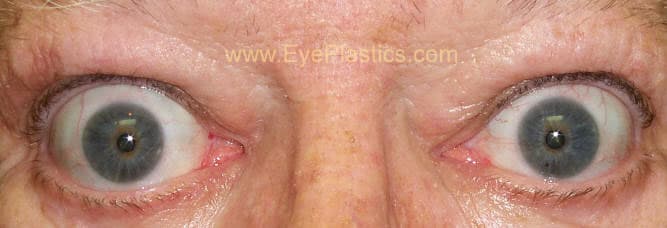
Thyroid Eye Disease (TED) — also called Graves’ ophthalmopathy or thyroid-associated orbitopathy — is an autoimmune inflammatory condition of the orbit that occurs when the immune system attacks the tissues behind the eyes. It is most commonly, though not exclusively, associated with Graves’ disease (autoimmune hyperthyroidism).
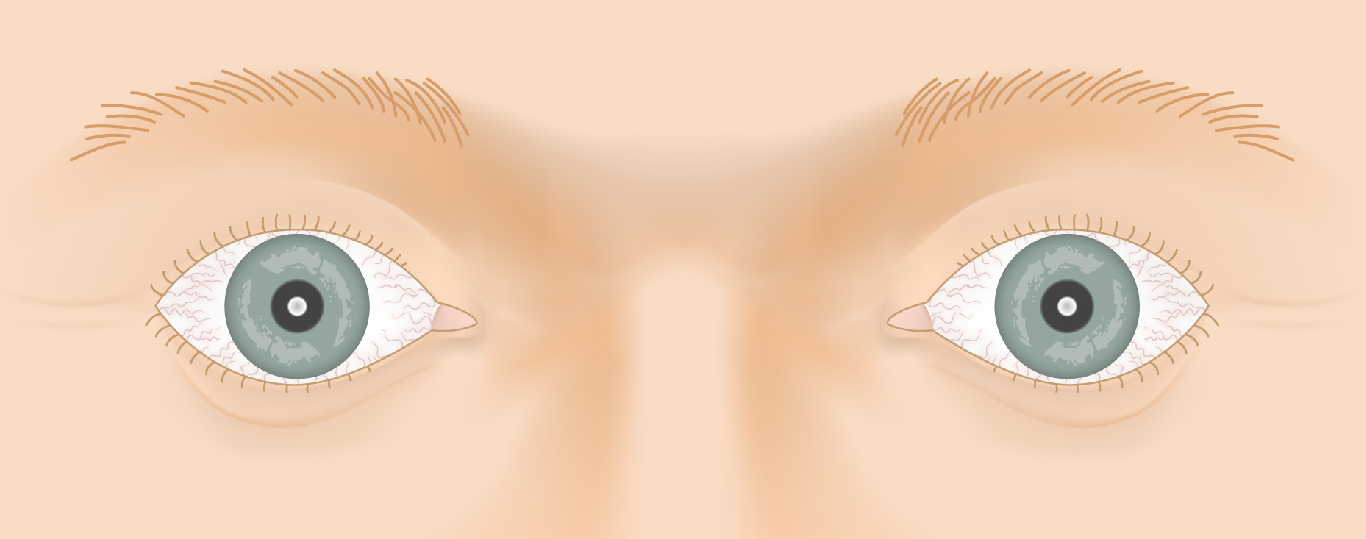
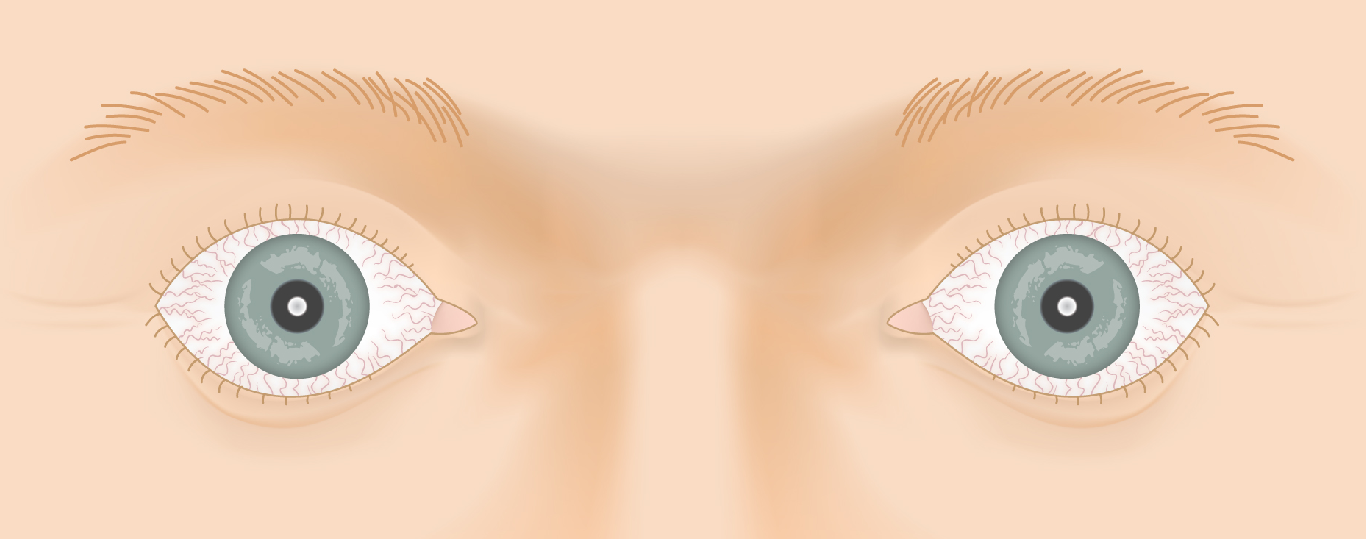
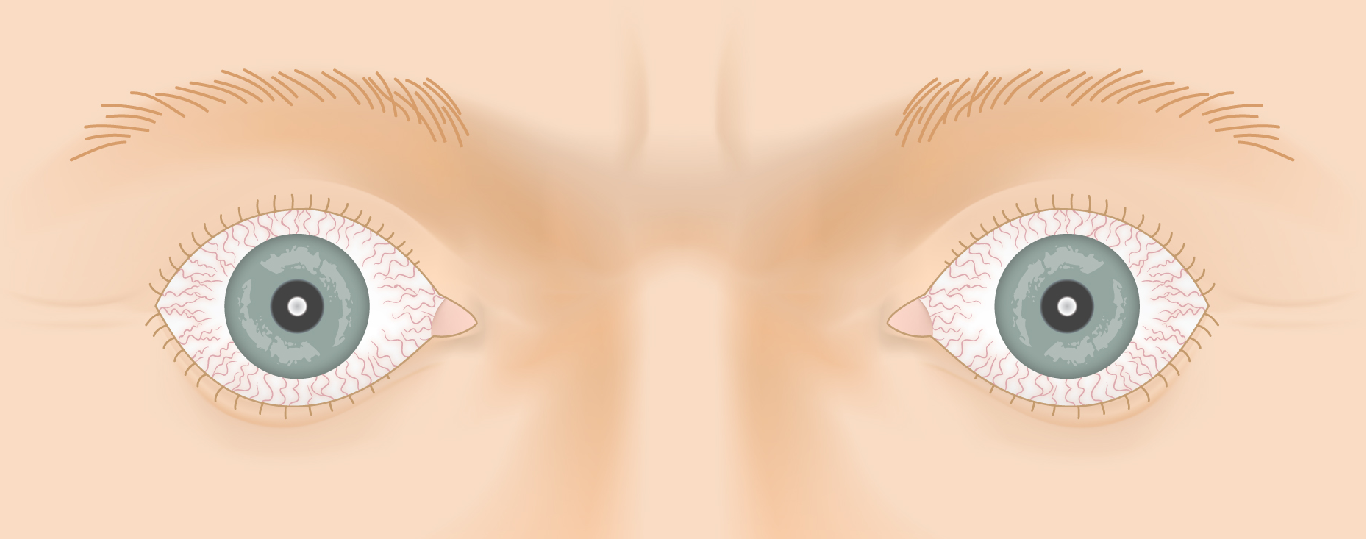
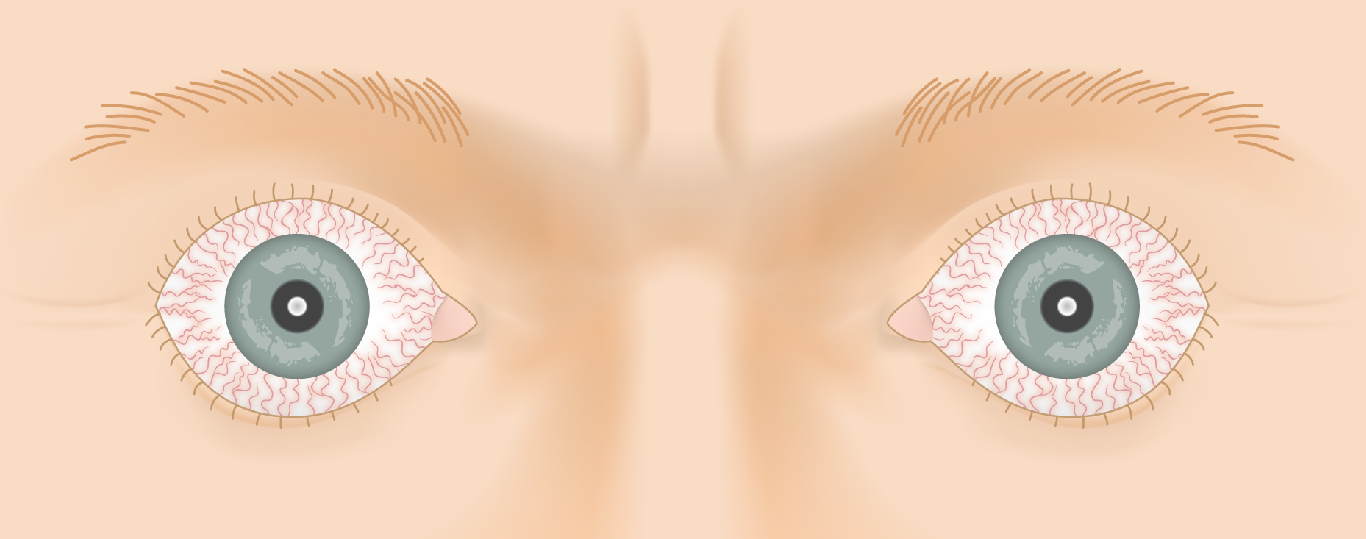
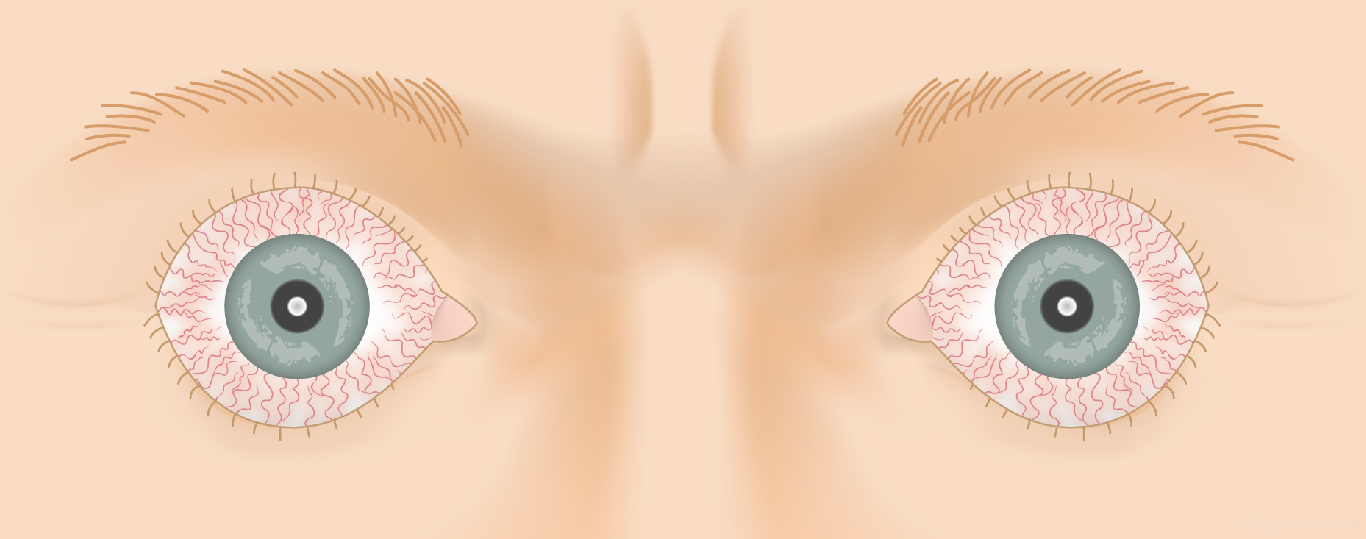
Slide the control to visualize the progression from a healthy appearance to advanced Graves' ophthalmopathy (TED).
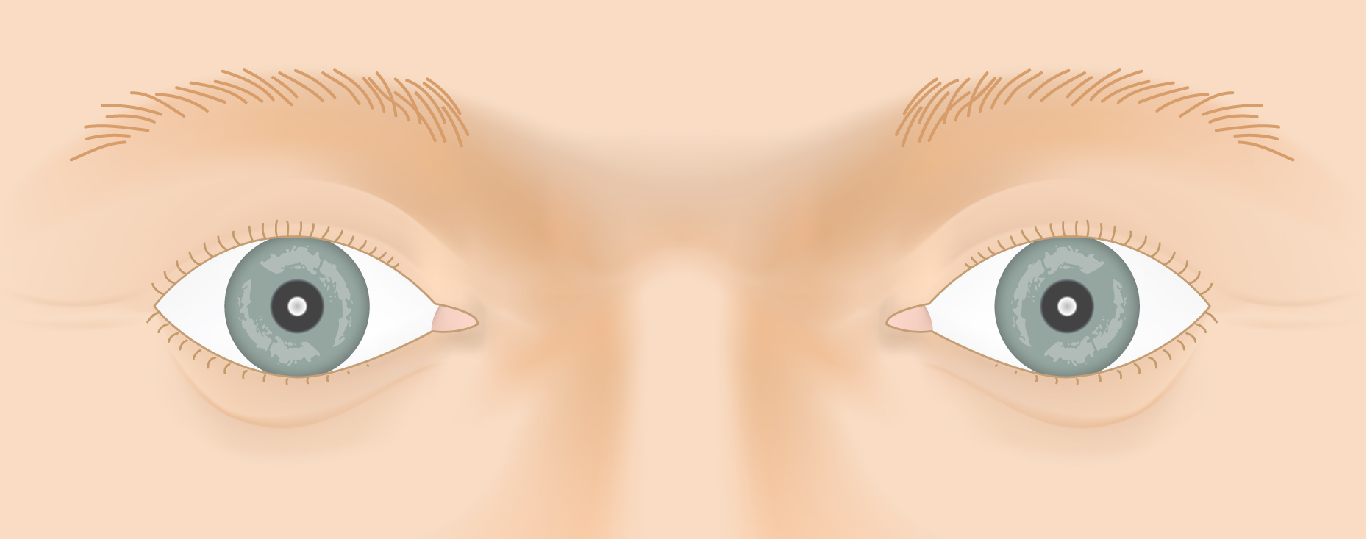
Drag the slider to compare
Graves’ disease is an autoimmune disorder in which the body produces antibodies against the thyroid-stimulating hormone receptor (TSH-R). These anti-TSH-R antibodies (also called TSHR-Ab, TRAb, or TSI) do two things simultaneously:
The result is a crowded, inflamed orbit that pushes the eye forward (proptosis), restricts eye movement, and exposes the cornea. Because the thyroid and orbital disease share the same autoimmune trigger, treatment of the thyroid does not always resolve the eye disease — and radioactive iodine treatment can sometimes worsen TED (in at-risk patients, such as smokers or those with active eye disease, a short course of oral steroids around treatment may be recommended to reduce this risk).
At your evaluation, thyroid function is assessed with:
Thyroid eye disease has many facets — from how it is diagnosed to the medical and surgical treatments that rehabilitate the eye. Explore each in depth:
TED (also called Graves’ orbitopathy) is an autoimmune inflammation of the muscles and fat behind the eye. Because those tissues swell inside a fixed bony socket, the eye is pushed forward and the lids pull back. Common symptoms include:
TED moves through two phases, and treatment depends on which you are in:
The first and most important step is controlling thyroid function and stopping smoking — smoking dramatically worsens TED and blunts treatment. For active disease, options include:
Once disease is stable, reconstruction follows a deliberate order, because each step changes the next:
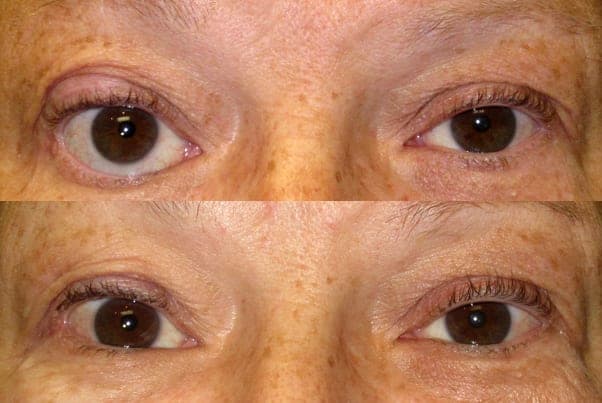
TED is best co-managed by an endocrinologist and an oculoplastic surgeon; ASOPRS fellowship-trained surgeons handle decompression, strabismus, and eyelid rehabilitation and coordinate the sequence above. Find one through our surgeon directory.
Thyroid eye disease is not one fixed state — it moves through an active (inflammatory) phase that lasts months to a couple of years, then settles into a stable (fibrotic) phase. Knowing which phase you are in decides what treatment helps.
The practical implication: operating on a still-active orbit invites relapse and re-operation, while waiting for stability — unless the optic nerve is threatened — produces more durable results. Two things do not wait for the phase, though: controlling thyroid function and stopping smoking, the strongest modifiable driver of severity.
Related in-depth guides
Connect with a board-certified oculoplastic surgeon who specializes in thyroid eye disease.
Search the Directory →