Thyroid Eyelid Retraction & Double-Vision Surgery
Rehabilitative surgery for thyroid eye disease β correcting eyelid retraction and the restrictive strabismus that causes double vision, after the orbit is stable.
Once thyroid eye disease has stabilized, two of its most disabling effects — a retracted, staring eyelid and double vision from tight eye muscles — are corrected surgically. These are the rehabilitative steps that follow orbital decompression.
Eyelid Retraction
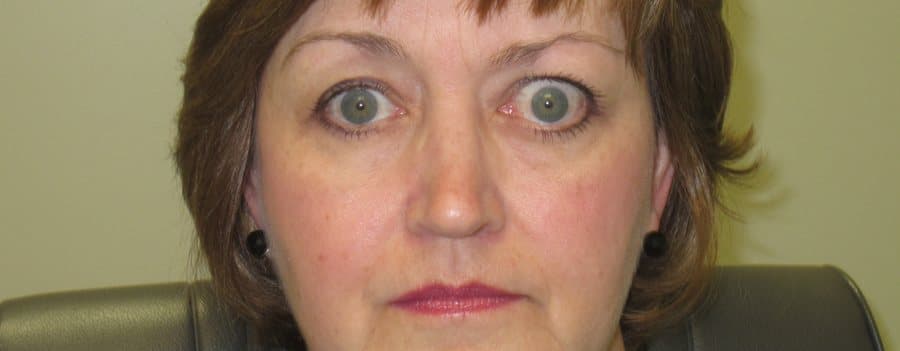
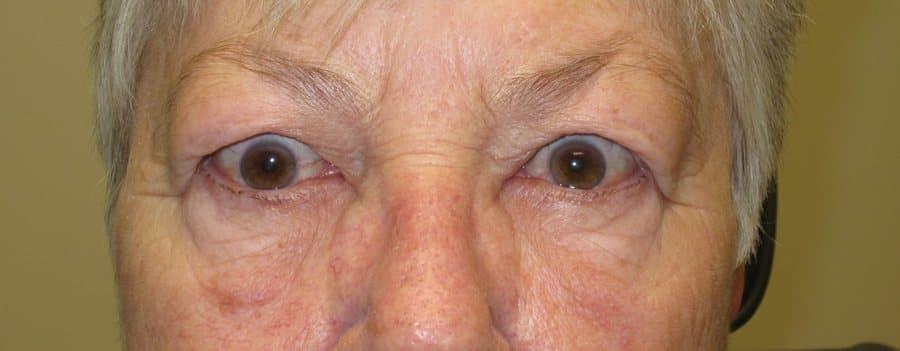
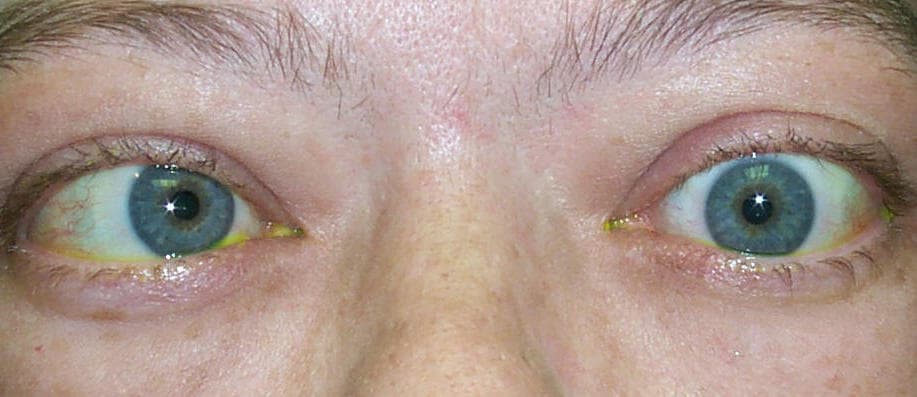
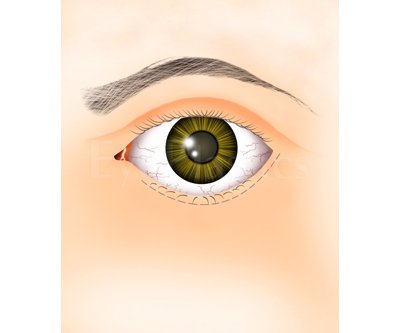
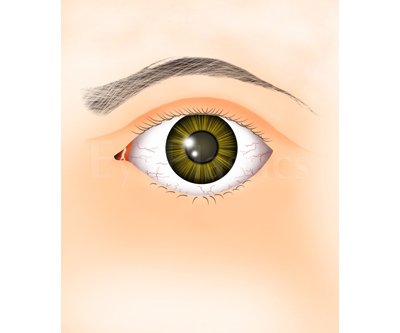
Eyelid retraction is among the most common and distressing features of TED. The upper lid normally covers 1–2 mm of the superior limbus; in TED it may sit above the limbus entirely, exposing the sclera and giving the characteristic staring appearance.
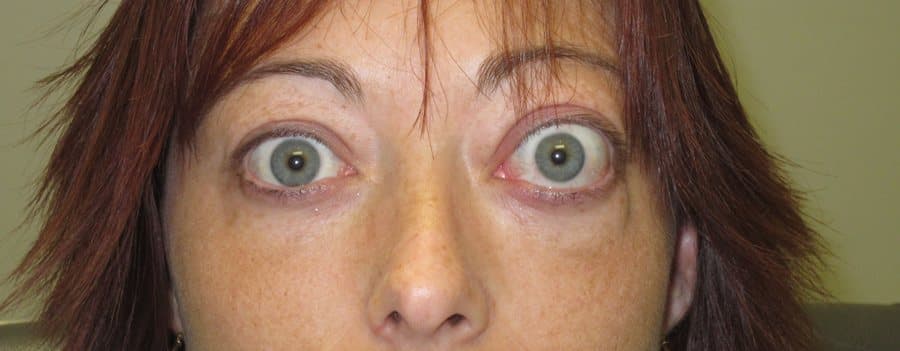
Causes of Upper Lid Retraction in TED
- Overactive sympathetic tone (Müller muscle stimulation from hyperthyroidism) — often partially reversible with thyroid control
- Levator muscle fibrosis — the levator becomes adherent to surrounding tissues; responds only to surgery
- Inferior rectus restriction with compensatory upgaze effort — increased levator drive to elevate the globe worsens lid retraction; strabismus surgery may reduce this component
Consequences
- Corneal exposure: dryness, punctate keratitis, corneal ulceration in severe cases
- Lagophthalmos (inability to close lids fully during sleep)
- Significant cosmetic distress
Surgical Correction
Eyelid surgery is the last step in the sequential rehabilitation of TED (after decompression and strabismus if needed), performed once disease is stable for ≥ 6 months.
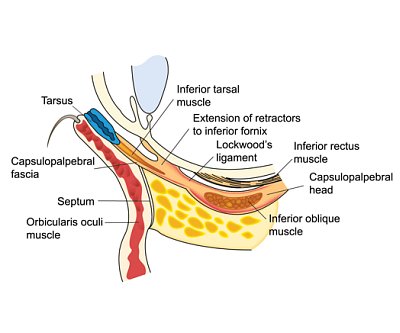
- Upper lid lowering: Müller muscle recession (mΓΒΌllerectomy), levator recession, or eyelid spacer graft (using donor sclera, hard palate mucosa, or synthetic spacer) to lengthen the posterior lamella. Can lower the upper lid by 2–8 mm depending on technique
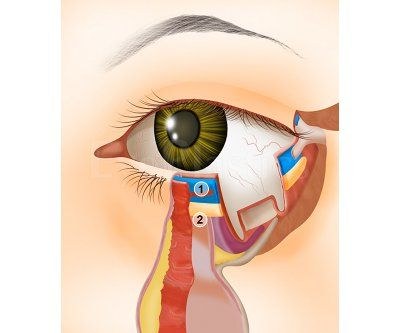
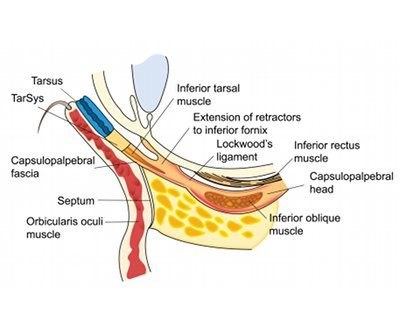
- Lower lid raising: Recession of the lower lid retractors with or without a spacer graft. Lateral tarsal strip canthoplasty to improve lower lid position and support
- Tarsorrhaphy: Partial closure of the lateral eyelids as a temporary or permanent measure for severe corneal exposure when definitive surgery is not yet possible
Strabismus & Double Vision

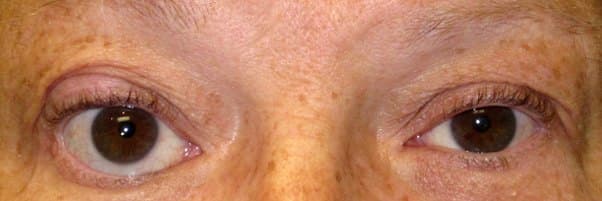
Diplopia (double vision) in TED results from restrictive strabismus — the inflamed, fibrotic extraocular muscles tether the eye and prevent full movement, causing misalignment. Unlike paralytic strabismus, TED strabismus features a positive forced duction test (the eye cannot be passively moved through full range).
Patterns
- Inferior rectus restriction (most common): hypotropia (eye deviated down) with limited upgaze. Patient cannot look up and sees double in primary or downgaze positions
- Medial rectus restriction: esotropia (eye deviated in) with limited abduction. Double vision on lateral gaze
- Restrictive strabismus is variable in active disease — surgery is deferred until disease is stable (≥ 6 months without change)
Treatment
- Prism glasses: fresnel prisms adhered to spectacle lenses can neutralize small deviations; useful during active disease while waiting for stability
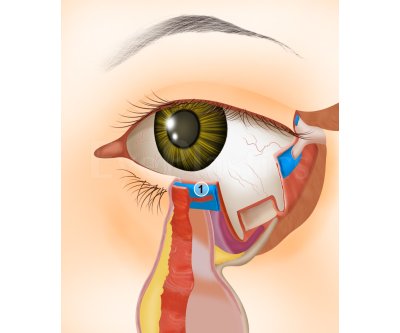
- Strabismus surgery: recession (lengthening) of the tight, overacting muscle — the muscle is detached from the globe and reattached further back. Goals are single vision in primary gaze and reading position. More than one procedure is sometimes needed
- Strabismus surgery is performed before eyelid surgery in the sequence: orbital decompression → strabismus → eyelid
Frequently Asked Questions
- Why does thyroid eye disease cause double vision?
- Inflammation makes the eye muscles fibrotic and tight, restricting movement. The eyes no longer move together, producing double vision β most often on up-gaze or side-gaze.
- How is eyelid retraction corrected?
- The retracted lid is lowered by lengthening or recessing the muscles and spacers that hold it up, restoring normal lid position, protecting the cornea, and softening the staring appearance.
- In what order are these surgeries done?
- After the disease is stable: orbital decompression first, then strabismus (eye-muscle) surgery, and eyelid surgery last β because each step can change what the next one needs to correct.
Find a Specialist
Connect with a board-certified oculoplastic surgeon who specializes in thyroid eyelid retraction & double-vision surgery.
Search the Directory βRelated Conditions
Orbital Decompression Surgery
Surgery that enlarges the bony orbit to relieve proptosis and optic-nerve compression in thyroid eye disease β the first step of rehabilitative surgery.
Learn more βThyroid Eye Disease Treatment
How thyroid eye disease is treated in stages β supportive care, active-phase medical therapy including Tepezza, and rehabilitative surgery once the disease is stable.
Learn more βThyroid Eye Disease
Comprehensive treatment of Thyroid Eye Disease (TED / Graves' ophthalmopathy) β orbital decompression, eyelid retraction, Tepezza, and rehabilitation.
Learn more β