Laser skin resurfacing (CO₂, Er:YAG, fractional), vascular lasers, IPL, and pigment lasers for periorbital and facial rejuvenation.
Medically reviewed by EyePlastics Medical Editorial BoardASOPRS oculoplastic surgeonsLast updated June 2026
Lasers and energy-based devices use precisely controlled light or electromagnetic energy to remodel, resurface, and rejuvenate skin. Oculoplastic surgeons use these modalities to treat periorbital and facial skin concerns including wrinkles, sun damage, pigmented lesions, vascular lesions, and acne scars. Laser treatments are often combined with surgical procedures for comprehensive periorbital rejuvenation.
Laser treatments complement surgical eyelid procedures — see Blepharoplasty and Brow Lift. For non-laser skin treatments, see Skin Rejuvenation. For rosacea-related vascular laser treatment, see Rosacea.
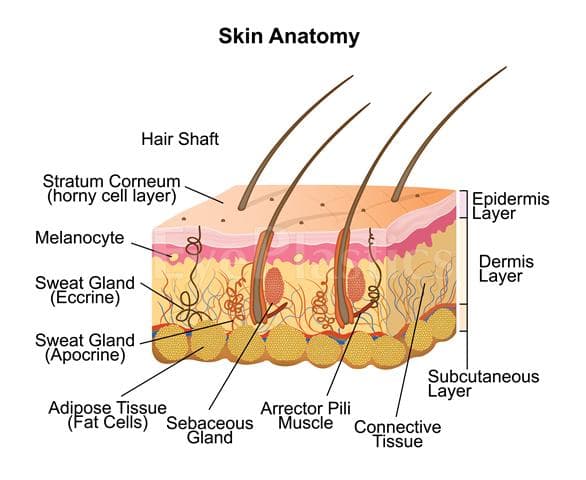
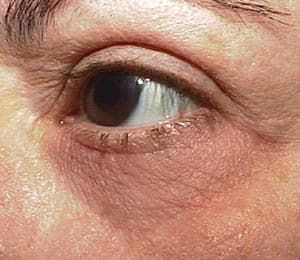
Ablative lasers vaporize the outer layers of skin — the epidermis and superficial dermis — allowing new skin to regenerate with improved texture, tone, and reduced wrinkles. Significant collagen remodeling occurs as the skin heals, producing skin-tightening effects that continue for months after the procedure. Ablative resurfacing provides the most dramatic improvement of any energy-based treatment.
CO₂ Laser (Carbon Dioxide) — The Gold Standard
Er:YAG Laser (Erbium:YAG)
Fractional technology revolutionized ablative resurfacing by treating only a fraction of the skin in a grid pattern — creating microscopic columns of treated tissue (microthermal zones) surrounded by untreated skin. The intact surrounding tissue acts as a reservoir for rapid healing, dramatically reducing downtime compared to full-field ablation while still producing meaningful results.
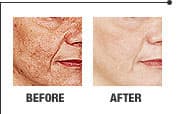
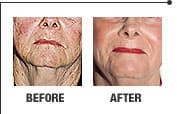
Before & After — Laser Skin Rejuvenation
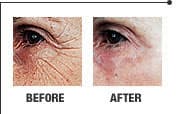
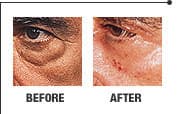
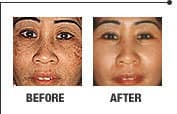
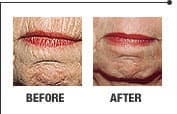
Selective photothermolysis — the principle of using wavelengths specifically absorbed by target chromophores (melanin or oxyhemoglobin) — allows targeted treatment of vascular and pigmented lesions with minimal surrounding skin damage:
Selectively absorbed by oxyhemoglobin in vessels. First-line treatment for:
Characteristic post-treatment purpura (bruising) resolves in 7–14 days. Newer "V-beam Perfecta" settings allow treatment without purpura at the cost of some efficacy.
IPL uses filtered broadband light (not a laser) to target both melanin and oxyhemoglobin simultaneously, treating mixed vascular and pigmented changes from photoaging in a single session. It does not resurface skin but provides significant improvement in overall facial tone, redness, and pigmentation.
The Fitzpatrick phototyping scale guides laser treatment selection. Darker skin types have more melanin in the epidermis that competes with target chromophores and is at risk for post-inflammatory hyperpigmentation (PIH) or hypopigmentation:
Laser resurfacing is frequently combined with surgical procedures performed at the same operative session:
Laser Treatment Options
Connect with a board-certified oculoplastic surgeon who specializes in lasers.
Search the Directory →