Management of cutaneous and ocular rosacea — eyelid margin disease, meibomian gland dysfunction, laser treatment, and systemic therapy.
Medically reviewed by EyePlastics Medical Editorial BoardASOPRS oculoplastic surgeonsLast updated June 2026
Rosacea is a chronic, inflammatory skin condition primarily affecting the central face — nose, cheeks, chin, and forehead. It is characterized by persistent redness, visible blood vessels, inflammatory papules and pustules, and in advanced cases, phymatous skin changes (tissue thickening). Importantly for oculoplastic surgeons, ocular involvement is common, occurring in roughly 30–70% of patients with cutaneous rosacea depending on the study, causing eyelid and ocular surface disease that can threaten vision if untreated.
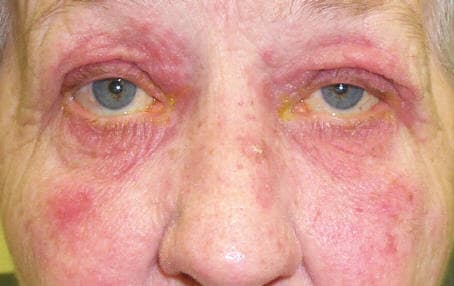
Ocular rosacea is a leading cause of chronic blepharitis and meibomian gland dysfunction. It is closely linked to Blepharitis and Dry Eye Disease. Skin rejuvenation treatments for rosacea (laser, IPL) are covered in Skin Rejuvenation.
The National Rosacea Society has historically classified rosacea into four subtypes, which may coexist in the same patient (the Society moved to a phenotype-based framework in 2017, but the subtypes remain a useful clinical shorthand):
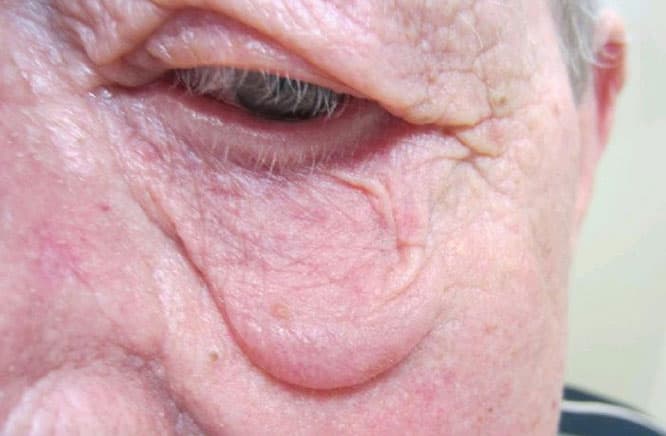
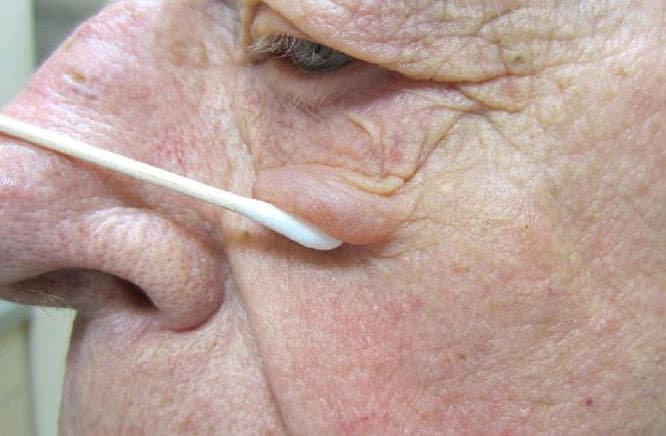
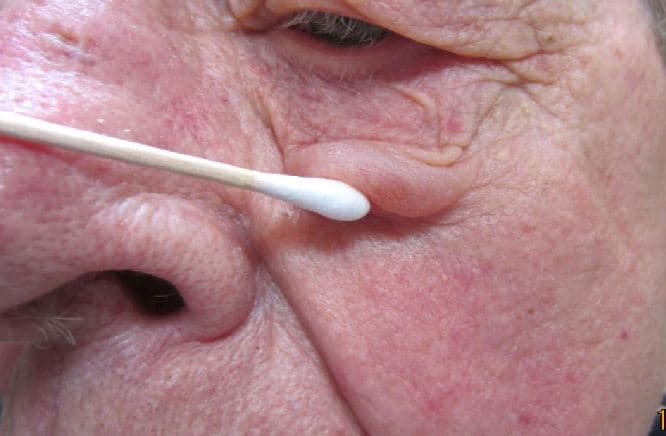
Ocular rosacea is the most clinically significant subtype from an oculoplastic perspective. It can precede, accompany, or follow cutaneous manifestations — and some patients have isolated ocular rosacea without obvious skin involvement, making diagnosis challenging.
Diagnosis of rosacea is clinical. Ocular rosacea is diagnosed based on:
Meibography reveals progressive gland dropout in chronic cases.
Treatment of rosacea requires simultaneous management of cutaneous and ocular disease. Oculoplastic surgeons manage ocular rosacea; dermatologists manage skin manifestations — often in shared care.
Rosacea has no cure — management focuses on symptom control and trigger avoidance. Common triggers that worsen flushing and inflammation:
A gentle, fragrance-free skincare routine with physical (mineral) sunscreen is recommended for all rosacea patients.
Connect with a board-certified oculoplastic surgeon who specializes in rosacea.
Search the Directory →