Orbital Decompression Surgery
Surgery that enlarges the bony orbit to relieve proptosis and optic-nerve compression in thyroid eye disease β the first step of rehabilitative surgery.
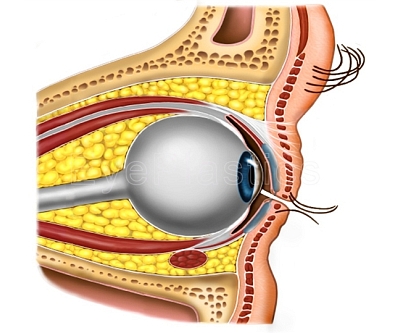
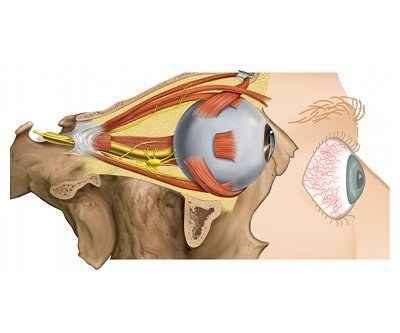
Orbital decompression is the first and most fundamental of the rehabilitative operations for thyroid eye disease. By enlarging the bony eye socket it relieves a bulging eye and, when needed, pressure on the optic nerve.
Orbital Decompression
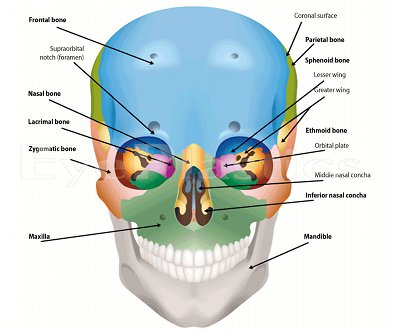
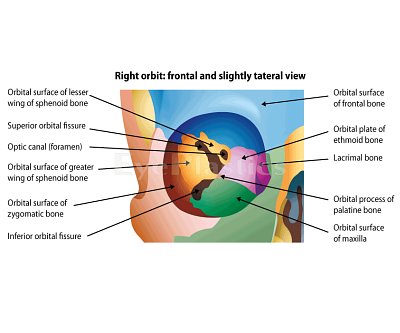
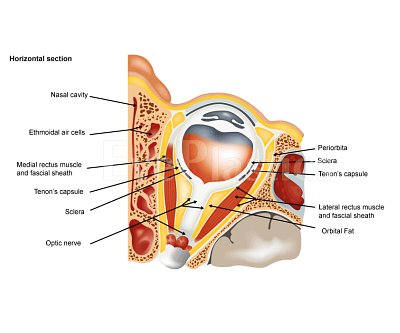
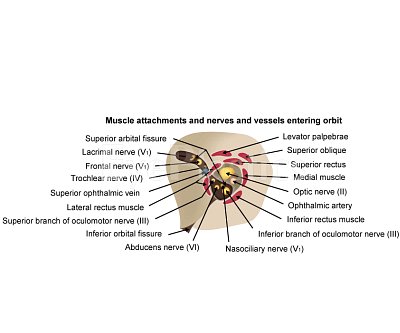
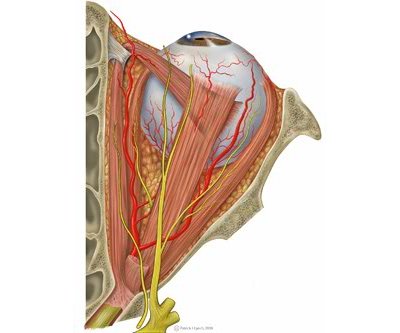
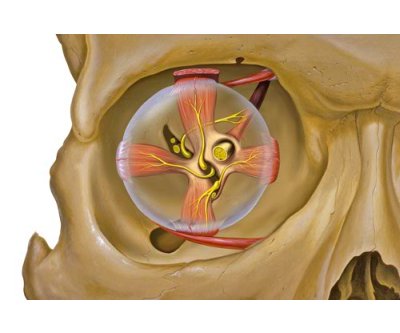
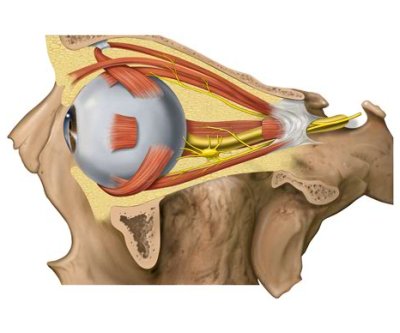
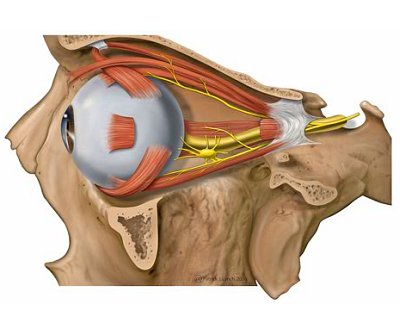
Explore orbital anatomy, clinical findings, and the medial wall, lateral wall, and floor decompression surgical techniques.
Orbital Decompression β Surgical Animation

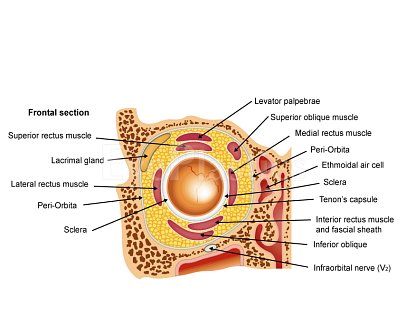
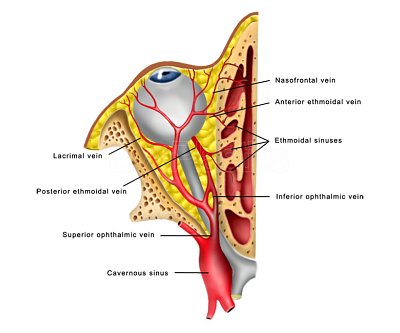
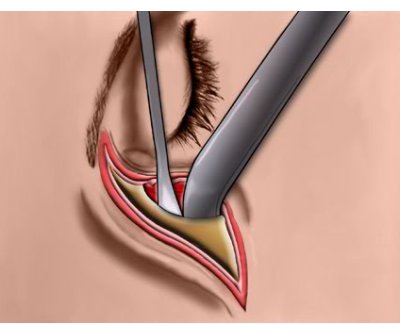
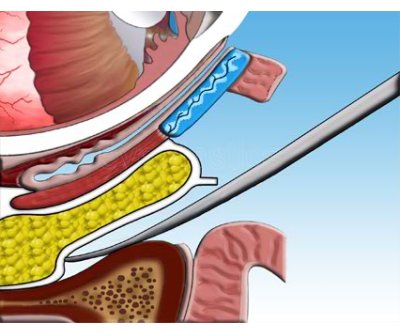
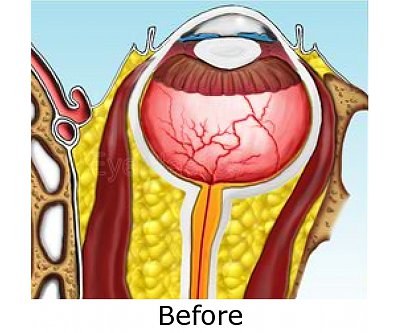
Orbital decompression creates additional volume within the orbit by removing one or more orbital walls, allowing the expanded orbital contents to bulge into the adjacent sinuses. This reduces proptosis, relieves corneal exposure, and — crucially — decompresses the optic nerve when vision is threatened.
Indications
- Compressive optic neuropathy — urgent or emergency decompression to prevent irreversible vision loss
- Severe proptosis with corneal exposure not controlled by medical means
- Cosmetic improvement of disfiguring proptosis in inactive disease
- Preparation for strabismus surgery (changing orbital volume may affect alignment)
Surgical Approach
Your oculoplastic surgeon tailors the approach to each patient’s CT anatomy, severity, and goals:
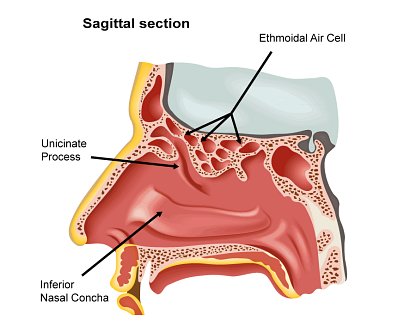
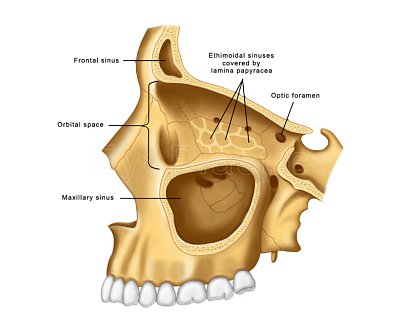
- Medial wall decompression: Removes the lamina papyracea (thin paper bone between orbit and ethmoid sinuses). Excellent for optic nerve decompression; 2–4 mm proptosis reduction per wall
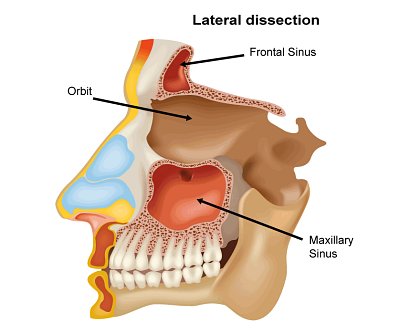
- Orbital floor decompression: Opens the floor into the maxillary sinus; additional 2–4 mm reduction
- Lateral wall decompression: Opens into the temporal fossa; significant volume; lower risk of new diplopia compared to medial/floor
- 3-wall balanced decompression: Used for severe proptosis; may combine medial, floor, and lateral walls for maximum effect (6–10 mm proptosis reduction)
Risks & Recovery
- New or worsened diplopia is the most common significant complication — medial wall decompression carries the highest risk; balanced decompression with lateral wall reduces this
- Infraorbital numbness (cheek, upper lip) — usually temporary, lasting weeks to months
- CSF leak (rare) when decompressing near the skull base
- Vision improvement is expected when surgery is performed urgently for optic neuropathy; elective cosmetic decompression carries a very low risk of vision loss
Frequently Asked Questions
- What does orbital decompression do?
- It removes part of the bony walls (and sometimes fat) of the eye socket to create more room, allowing a proptotic (bulging) eye to settle back and relieving pressure on a compressed optic nerve.
- When is orbital decompression needed urgently?
- When the optic nerve is being compressed (dysthyroid optic neuropathy) with failing vision, or when severe proptosis prevents the eyelids from closing and threatens the cornea.
- Can decompression cause double vision?
- It can change eye alignment, which is why decompression is performed first β any resulting double vision is then corrected with strabismus surgery, followed by eyelid surgery.
Find a Specialist
Connect with a board-certified oculoplastic surgeon who specializes in orbital decompression surgery.
Search the Directory βRelated Conditions
Thyroid Eye Disease Treatment
How thyroid eye disease is treated in stages β supportive care, active-phase medical therapy including Tepezza, and rehabilitative surgery once the disease is stable.
Learn more βThyroid Eyelid Retraction & Double-Vision Surgery
Rehabilitative surgery for thyroid eye disease β correcting eyelid retraction and the restrictive strabismus that causes double vision, after the orbit is stable.
Learn more βThyroid Eye Disease
Comprehensive treatment of Thyroid Eye Disease (TED / Graves' ophthalmopathy) β orbital decompression, eyelid retraction, Tepezza, and rehabilitation.
Learn more β