Evaluation and management of dry eye disease — from punctal occlusion and prescription drops to surgical treatment of exposure and lagophthalmos.
Medically reviewed by EyePlastics Medical Editorial BoardASOPRS oculoplastic surgeonsLast updated June 2026
Part of our complete guide to Blepharitis — this page covers dry eye in depth.
Dry eye disease (DED) is one of the most common ocular conditions, affecting tens of millions of people worldwide. It occurs when the eye does not produce enough tears, or when tears evaporate too quickly, leaving the eye surface inadequately lubricated. Oculoplastic surgeons evaluate and treat dry eye, particularly when it relates to eyelid malposition, lagophthalmos, or previous eyelid surgery.
Dry eye is frequently associated with eyelid laxity, incomplete closure, and thyroid eye disease. See our Eyelid Laxity and Lagophthalmos pages for related surgical conditions.
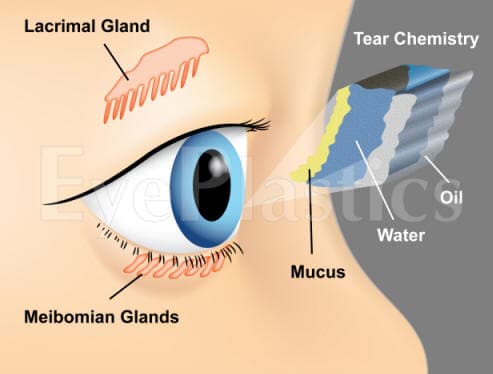
For a detailed illustrated guide, see the Anatomy Overview.
Tears coat the ocular surface and are composed of three layers:
Disruption of any layer can produce dry eye symptoms. The most common form is evaporative dry eye, due to meibomian gland dysfunction (MGD), estimated to account for the majority of cases.
Aqueous Deficiency
Evaporative
Other Factors
A thorough dry eye evaluation includes:
The stepwise approach to dry eye treatment depends on disease severity:
Preservative-free artificial tears are the first-line treatment. Frequency depends on severity — from as-needed to every 1–2 hours. Gel formulations and ointments provide longer contact time, especially useful at night. Patients with evaporative dry eye benefit from lipid-supplementing drops.
For meibomian gland dysfunction: warm compresses applied for 5–10 minutes to melt thickened meibum, followed by gentle lid massage. Lid scrubs with commercial lid wipes (now preferred over dilute baby shampoo, which can irritate the ocular surface) reduce bacterial load and improve gland function.
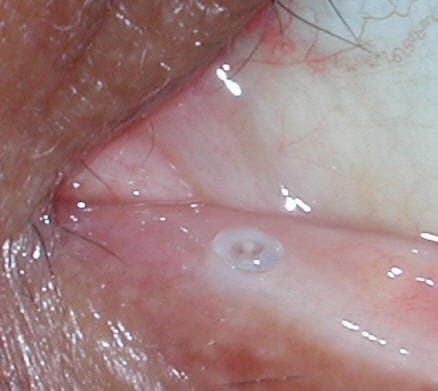
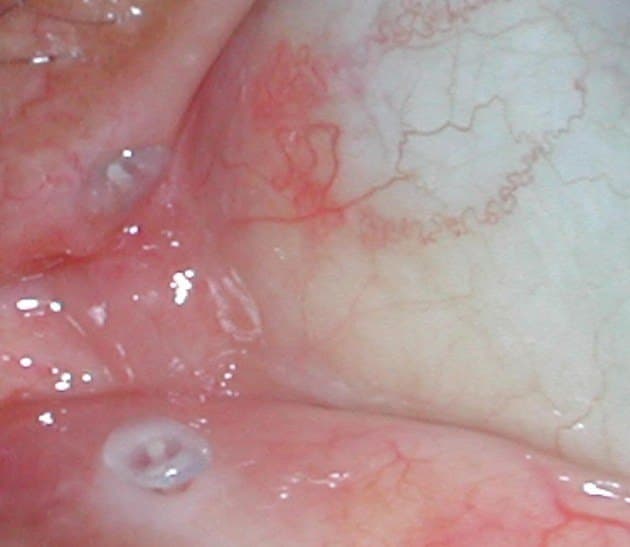
Punctal plugs are small devices inserted into the tear drainage openings (puncta) on the upper and lower eyelids to reduce tear drainage and increase tear film volume on the eye surface. They are a simple office procedure performed under topical anesthesia.
Plugs are appropriate when dry eye symptoms persist despite adequate lubrication therapy and anti-inflammatory treatment. They are contraindicated in active ocular surface inflammation or chronic dacryocystitis.
When dry eye is related to eyelid malposition or incomplete closure, surgical correction addresses the root cause:
For evaporative dry eye from meibomian gland dysfunction, in-office thermal pulsation treatments warm and express the blocked glands.
Refractive surgery commonly reduces corneal sensation and tear production due to severing of corneal nerves during flap creation or ablation; this is usually transient but can be persistent in some patients. Most patients experience significant dry eye in the first 3–6 months after LASIK. PRK patients may also develop dry eye though the mechanism differs slightly. Management includes:
Patients with pre-existing dry eye should be counseled before LASIK about the risk of symptom worsening and should consider treatment optimization before undergoing refractive surgery.
Connect with a board-certified oculoplastic surgeon who specializes in dry eye disease.
Search the Directory →