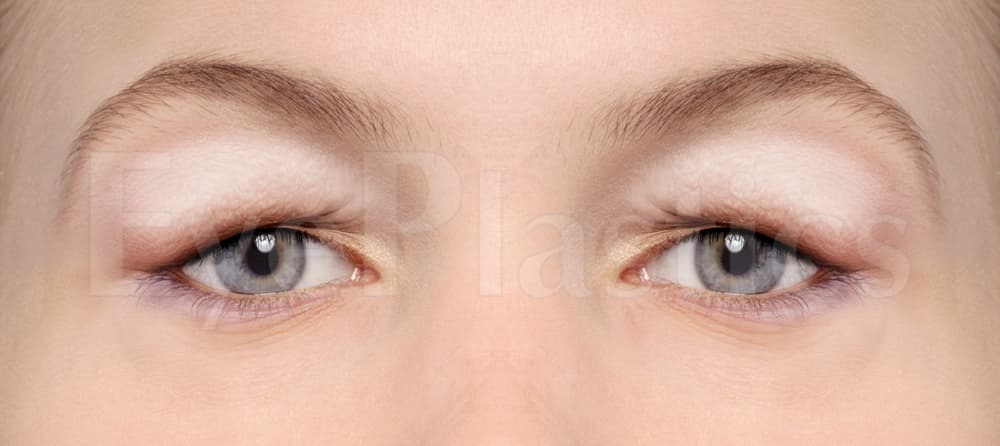
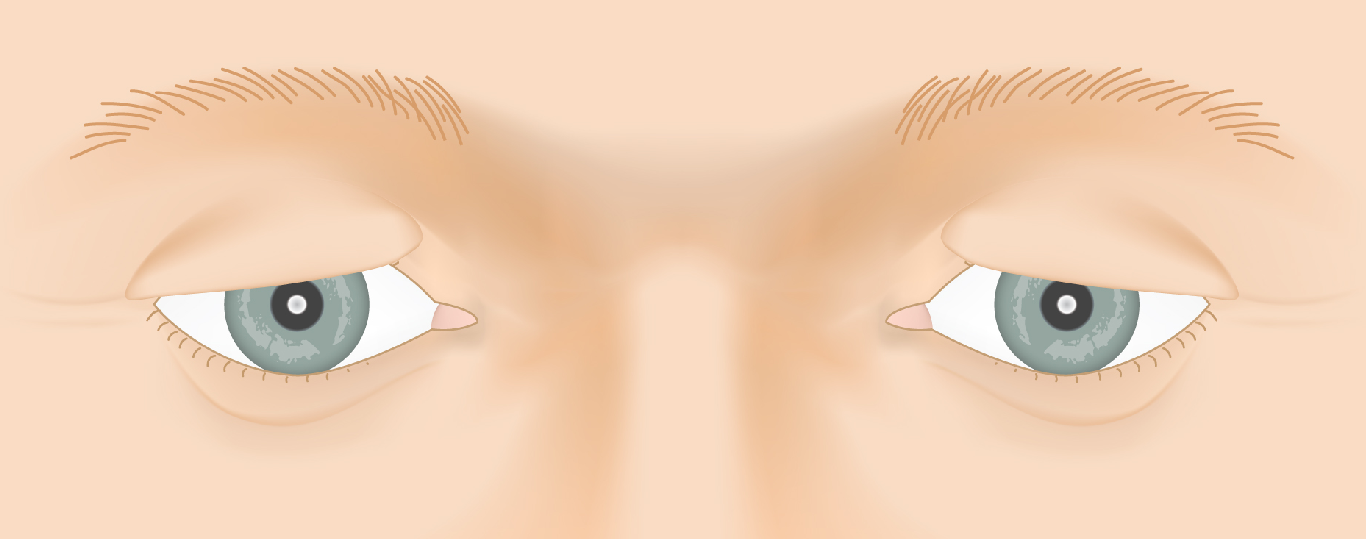
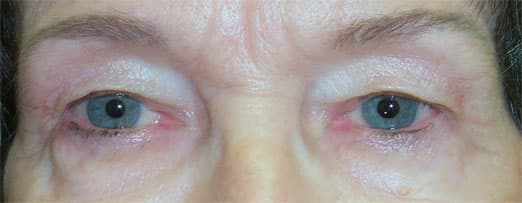
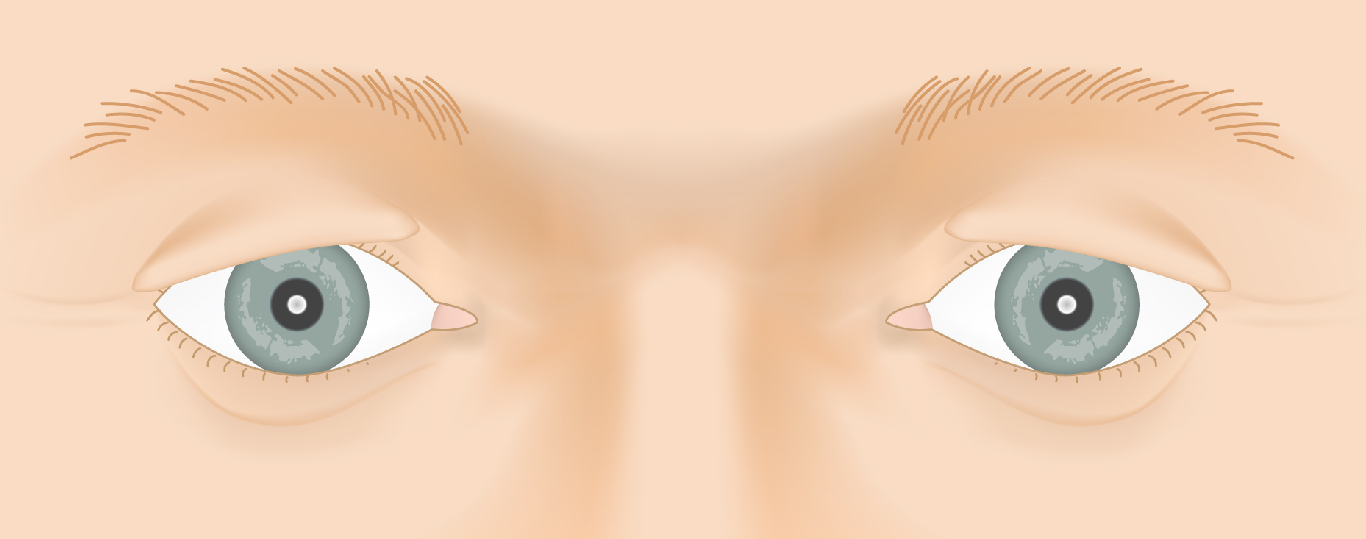
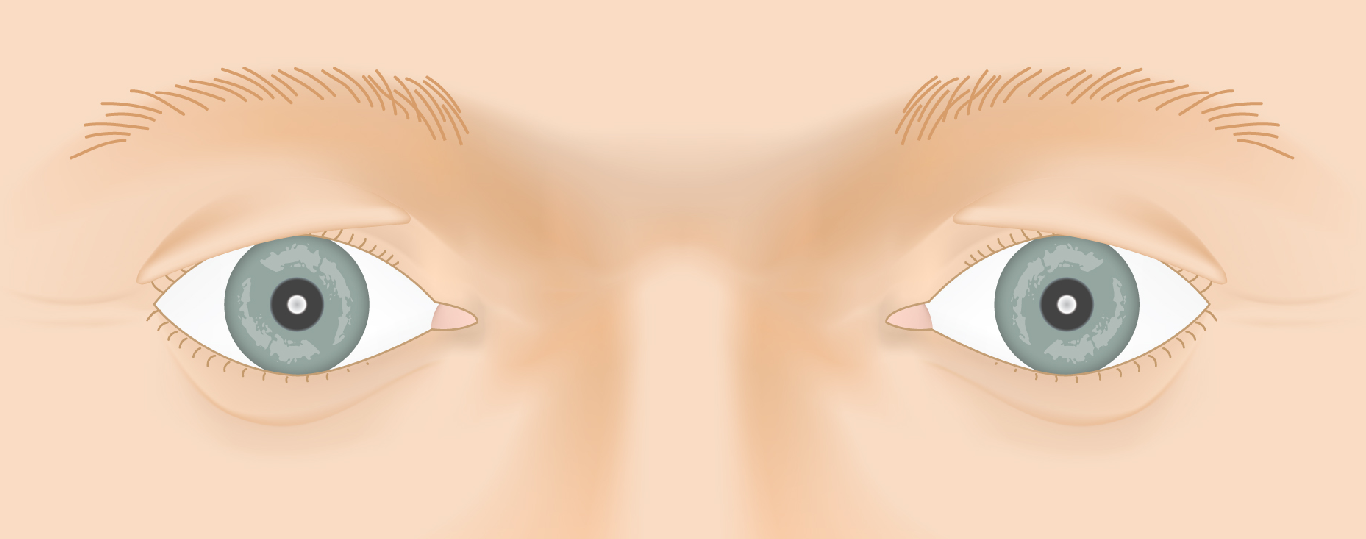
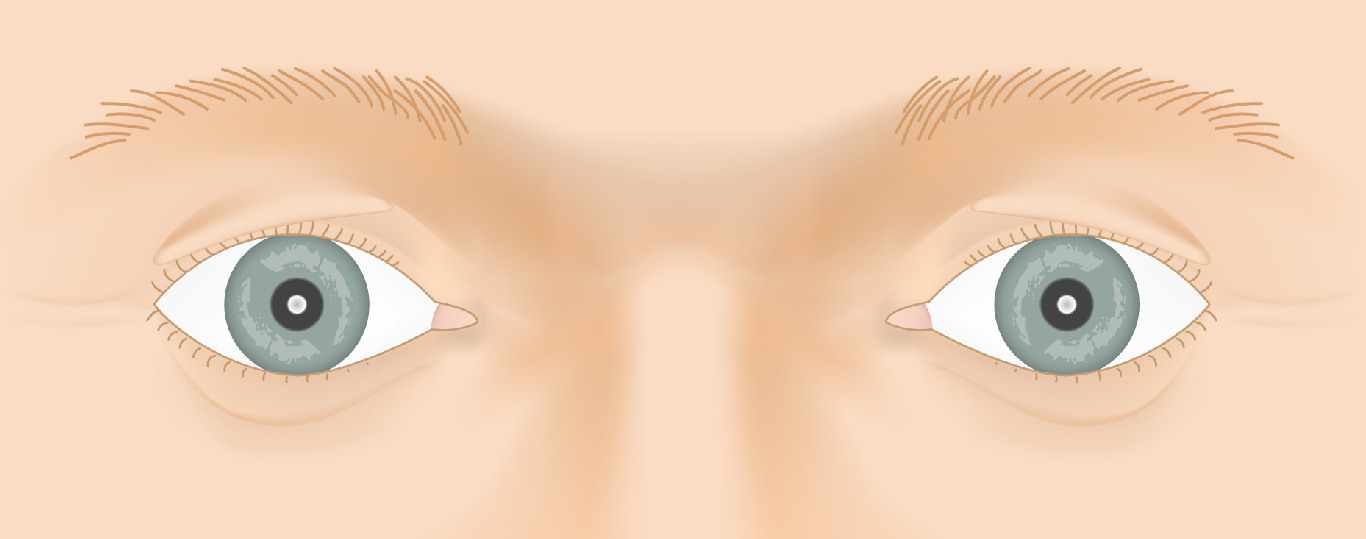
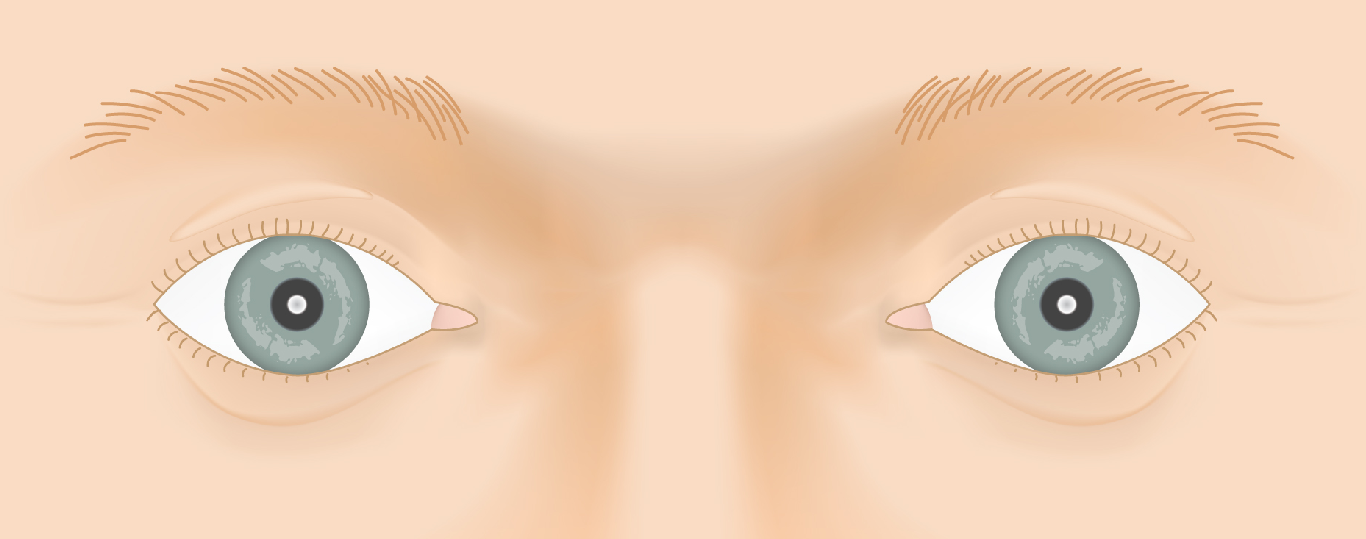
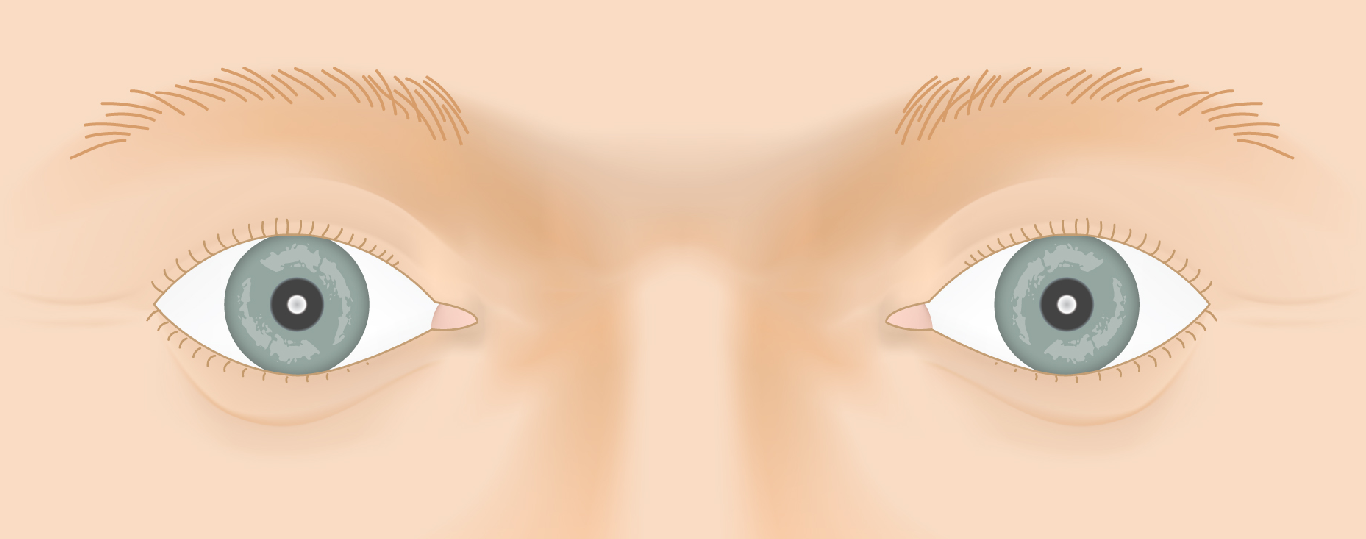
Upper eyelid blepharoplasty (upper eyelid surgery) removes the strip of excess skin — and, when present, the herniated fat — that accumulates over the eyelid crease with age. The result is a more open, rested eye and, when heavy skin has been obstructing vision, a wider field of view. Incisions are hidden within the natural upper-lid crease and typically fade to a fine, well-concealed line in the crease.
Functional vs. Cosmetic
Upper blepharoplasty sits at the intersection of function and aesthetics:
Functional (reconstructive): When redundant upper-lid skin (dermatochalasis) hangs over the lashes and blocks the superior visual field, surgery is medically indicated — documented with a formal visual-field test and photographs, and frequently covered by insurance. (When performed at the same time as ptosis repair, however, the blepharoplasty portion is always considered cosmetic and is not covered.)
Cosmetic: When the goal is to refresh a tired or hooded appearance without a functional deficit, the procedure is elective and paid out of pocket.
A drooping upper lid is not always excess skin. True ptosis (a low lid margin from stretching or weakness of the levator muscle/aponeurosis) is a different problem and is sometimes corrected at the same time. See also Brow Lift vs. Blepharoplasty.
What insurers ask for (functional coverage)
Visual-field test performed untaped and with the lid/skin taped up (showing improvement)
Margin reflex distance 1 (MRD-1) measurement
Frontal and side photographs documenting the lid or skin position
Criteria vary by plan — confirm specifics with your surgeon's office.
Are You a Candidate?
Good candidates for upper eyelid surgery typically have one or more of the following:
Excess upper-eyelid skin that folds over the crease or rests on the lashes
A heavy, hooded, or perpetually tired-looking upper lid
Reduced side (peripheral) vision from overhanging skin
A sense of heaviness or eye fatigue by the end of the day
Healthy adults with realistic expectations are generally good candidates. Dry-eye disease, thyroid eye disease, and brow or lid-margin position are assessed beforehand, since they shape the plan and because pre-existing dry eye can be worsened by skin removal — sometimes a ptosis repair or brow lift is combined for the best result. A careful pre-operative evaluation distinguishes true excess skin from a low brow or a drooping lid margin.
The Procedure
Procedure at a Glance
Removes excess skin and, when present, herniated pre-aponeurotic fat
Incision hidden in the natural lid crease; sutures removed at ~7 days
Can be combined with ptosis repair or brow elevation
About 45–90 minutes total; outpatient under local anesthesia with light sedation
After marking the crease with the patient seated upright, the surgeon excises the measured skin ellipse, opens the orbital septum to address any prolapsed fat, achieves meticulous hemostasis, and closes with fine sutures. Conservative removal is essential — leaving enough skin for complete, comfortable eyelid closure.
BlepharoplastyPre/Post Comparison
Slide the control to compare pre-operative and post-operative appearance.
Pre OperationPost Operation
Drag the slider to compare
Before & After
Upper Blepharoplasty Before & After
1 / 5
Drag the divider left or right to compare. Select a case in the strip below.
BeforeAfter
Age 73Patients are from a national database. Individual results may vary.
Recovery & Risks
Bruising and swelling peak around 48 hours and settle substantially over 1–2 weeks; most patients are presentable in public by 10–14 days, with the final result stable by about 3 months. Temporary dry eye, mild asymmetry, and lid swelling are the most common issues; serious complications such as retrobulbar hemorrhage are rare but can threaten vision — seek emergency care immediately for sudden severe pain, marked swelling, bulging of the eye, or any change in vision. For a full day-by-day guide, see Blepharoplasty Recovery.
First 48 hours: swelling and bruising peak — cold compresses, head elevation, and rest.
Week 1: sutures removed around day 7; bruising begins to fade.
Weeks 2–3: most visible swelling resolves; makeup can usually cover residual marks.
Month 3+: the final, settled result, with the incision maturing to a fine line hidden in the crease.
Patients of Asian heritage may prefer a technique that preserves or creates a defined crease — see Asian Blepharoplasty. To treat both the upper and lower lids together, see Four-Lid Blepharoplasty.
Frequently Asked Questions
Is upper blepharoplasty covered by insurance?
It may be when it is functionally indicated — meaning excess upper-lid skin obstructs the superior visual field, documented with a visual-field test and photographs. Purely cosmetic upper blepharoplasty is paid out of pocket. Note: when blepharoplasty is performed at the same time as ptosis repair, the blepharoplasty (skin) portion is always considered cosmetic and is not covered by insurance.
What is the difference between upper blepharoplasty and ptosis repair?
Upper blepharoplasty removes excess eyelid skin. Ptosis repair raises a low eyelid margin caused by weakness or stretching of the levator muscle. They address different problems and are sometimes performed together.
Where is the incision and will it scar?
The incision is placed within the natural upper-lid crease, so it heals to a nearly invisible line hidden in the fold of the lid.
How long is recovery after upper blepharoplasty?
Bruising and swelling peak around 48 hours and settle over 1–2 weeks; most patients are presentable by 10–14 days, with the final result stable by about 3 months.
Will upper blepharoplasty remove my forehead lines or crow's feet?
No — blepharoplasty addresses excess eyelid skin and fat. Forehead lines, brow position, and crow's feet are treated separately (brow lift, neuromodulators, or skin resurfacing), sometimes during the same visit.
How long do the results last?
Results are long-lasting — typically 10 years or more, and for many patients essentially permanent. The eyelids keep aging slowly, but the skin that was removed does not grow back.
Find a Specialist
Connect with a board-certified oculoplastic surgeon who specializes in upper eyelid blepharoplasty.