Marcus Gunn Jaw-Wink Syndrome
A congenital ptosis in which the eyelid lifts when the jaw moves β an abnormal connection between the chewing and eyelid-lifting nerves.
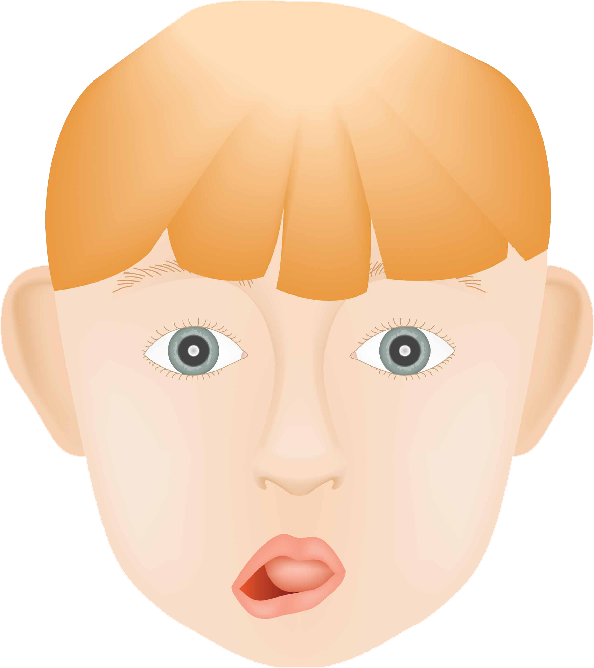
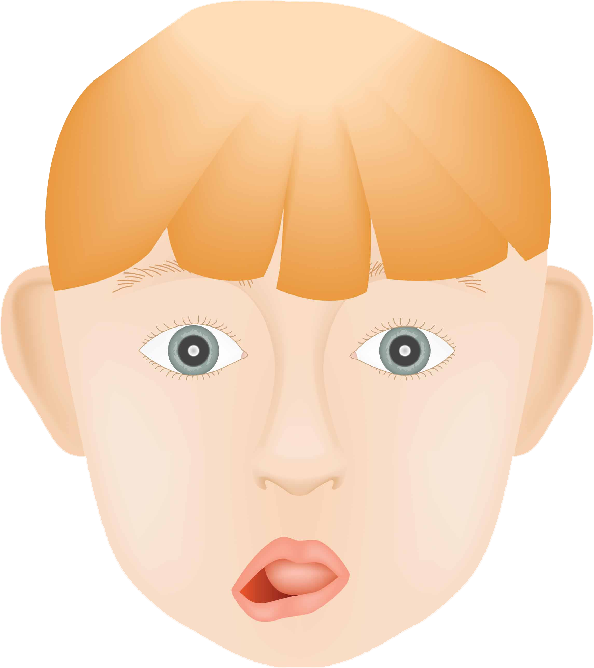
Marcus Gunn Jaw Wink
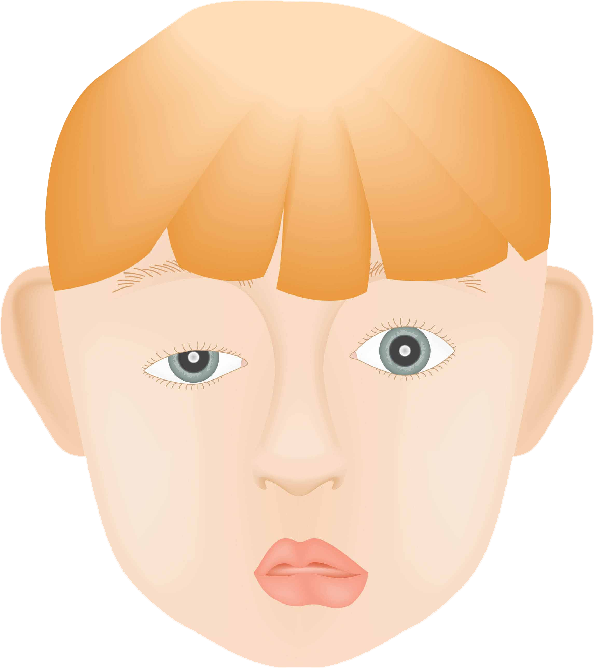
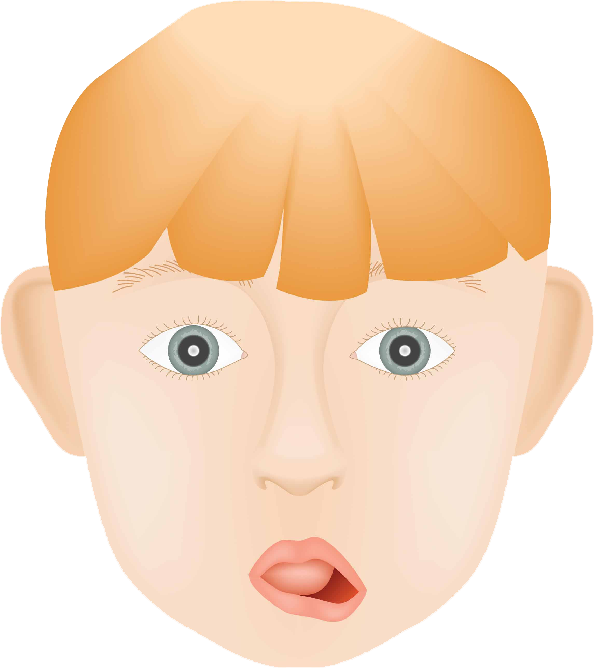
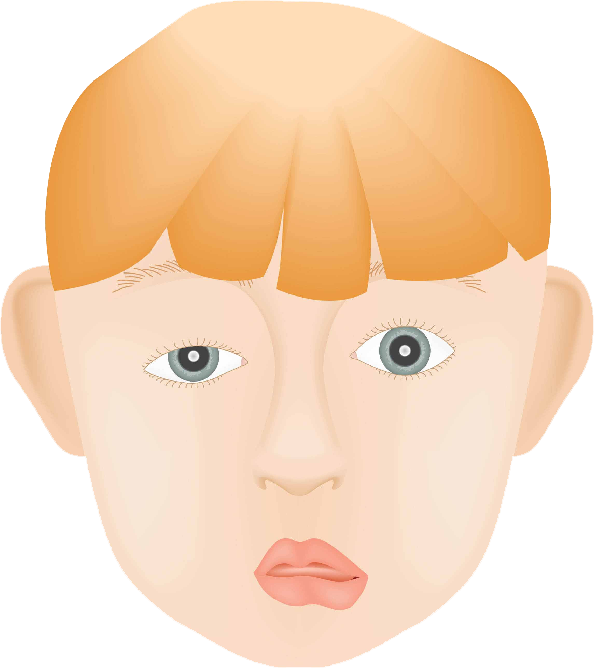
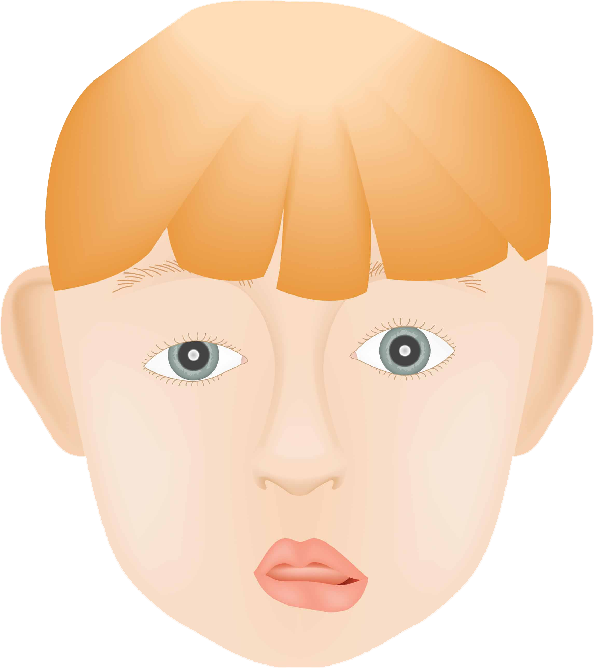
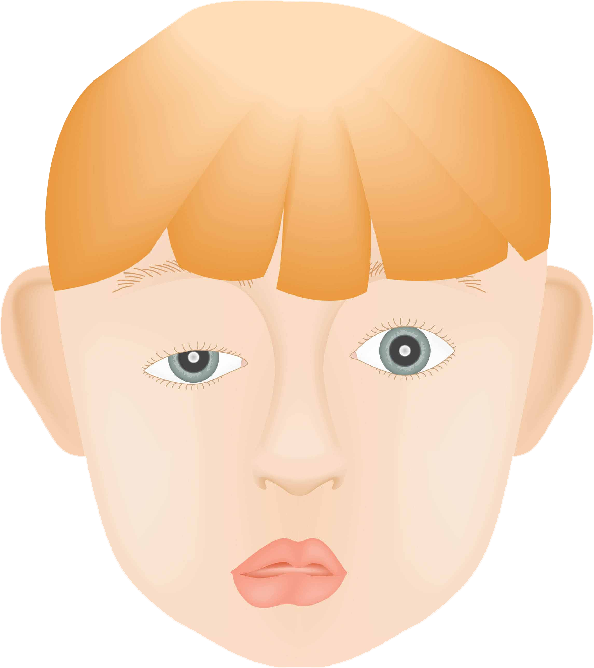
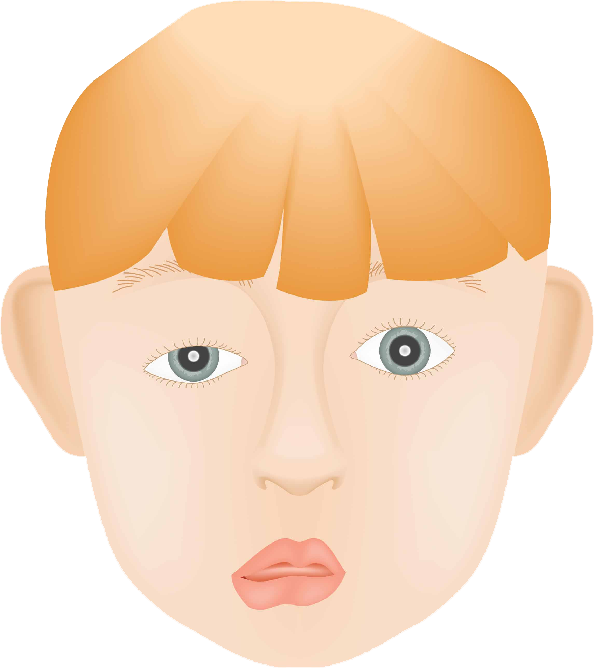
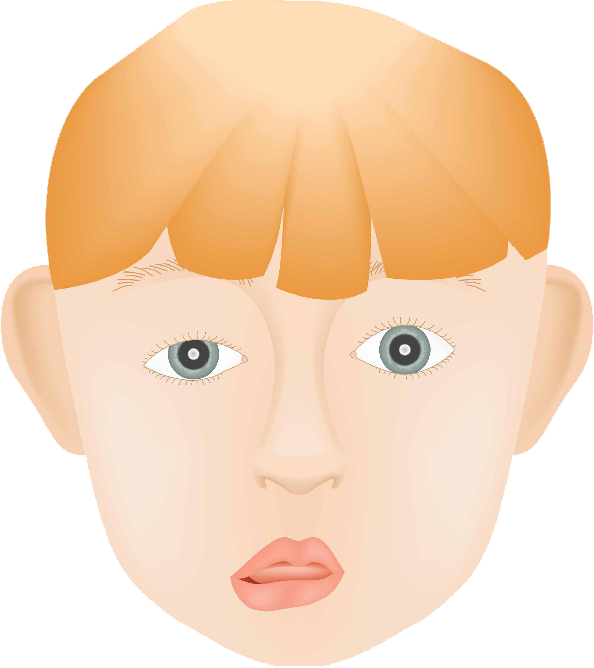
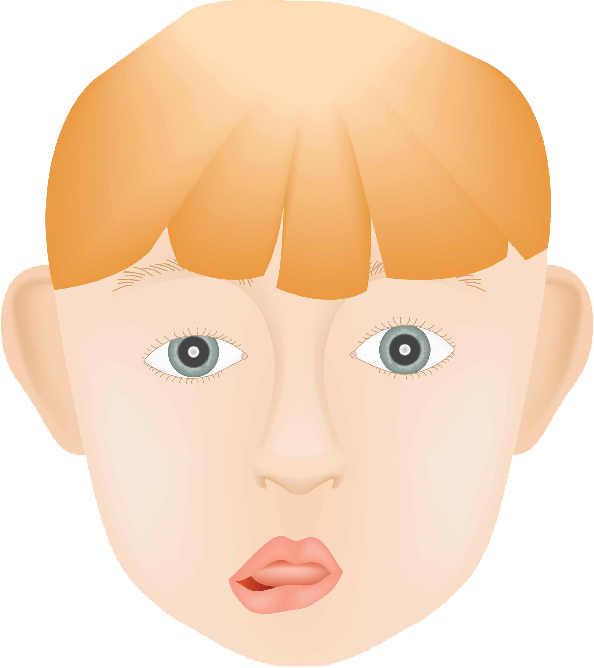
Marcus Gunn jaw-wink ptosis is an example of synkinesis — an abnormal neural connection between two muscle groups that are normally unrelated. A branch of the trigeminal nerve (CN V, which supplies the pterygoid jaw muscles) misdirects into the branch of the oculomotor nerve (CN III) that lifts the upper eyelid. The result: the ptotic lid rises whenever the jaw opens or moves laterally.
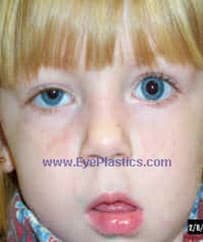
Marcus Gunn Jaw Wink

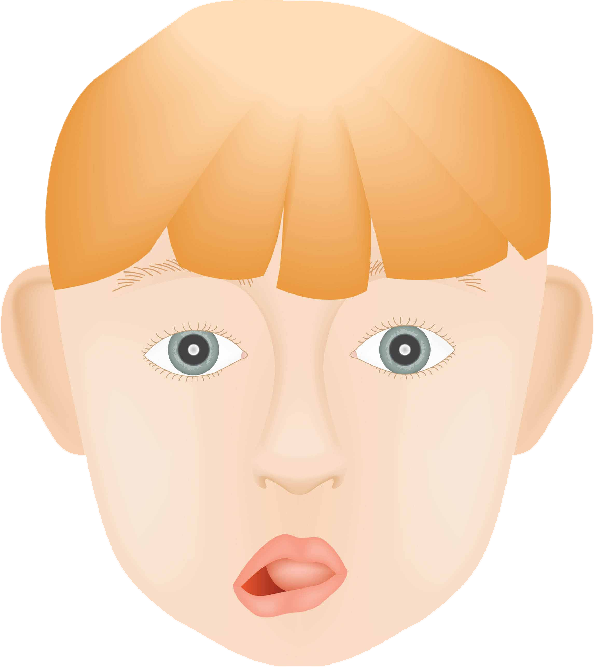
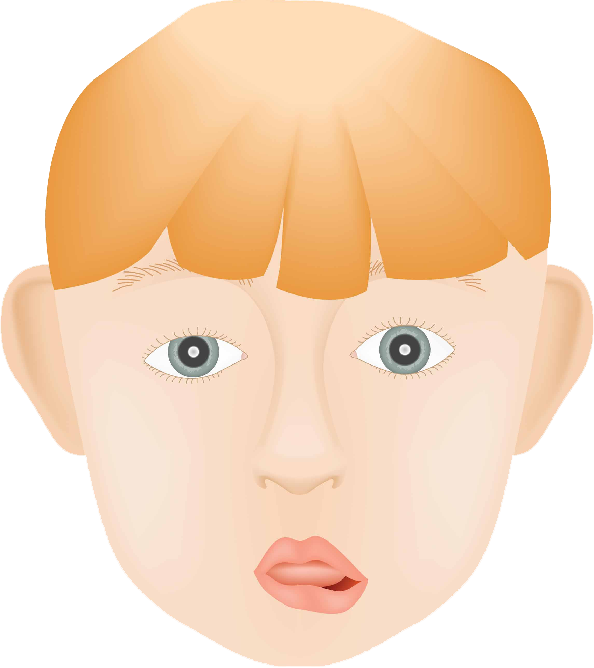
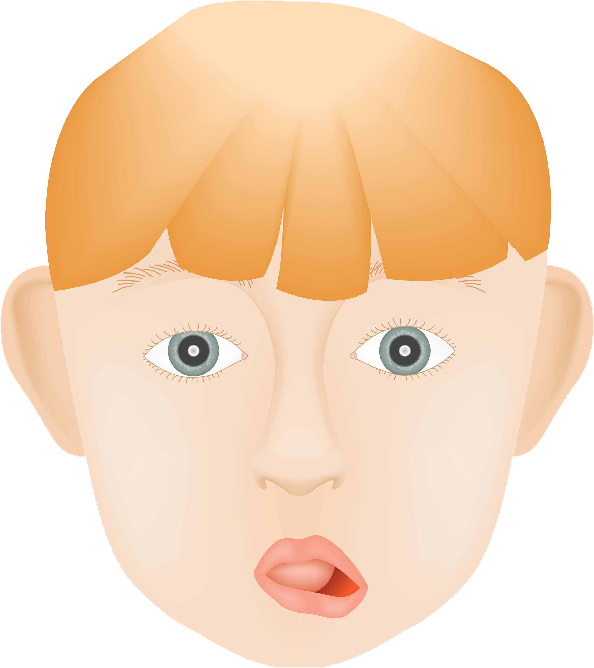
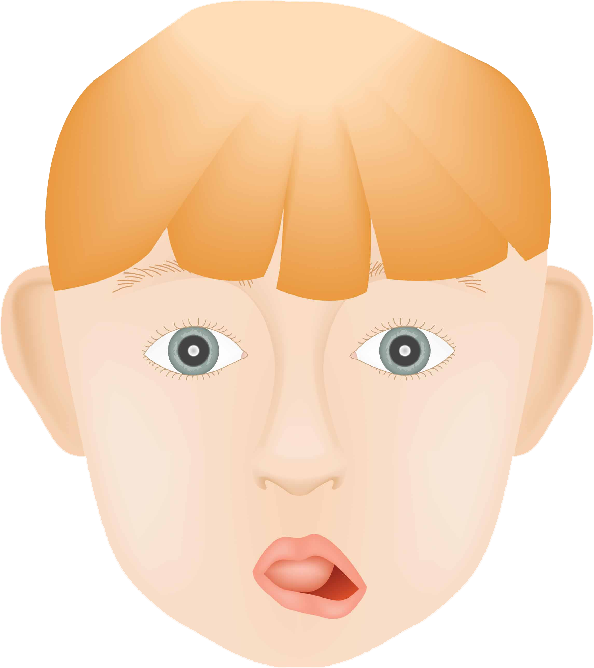
Slide the control to move the mouth.
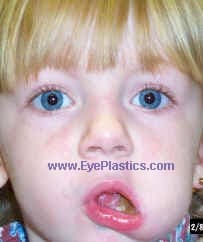
Use the slider in the animation above to simulate the jaw-wink synkinesis — the eyelid rising as the jaw opens.
Key Features
- Occurs in 2–13% of patients with congenital ptosis
- Levator function is typically poor (≤ 4 mm)
- Does not improve spontaneously, though children learn to minimize visible jaw movement over time
- Associated strabismus in ≈ 60%, amblyopia in ≈ 35%
Treatment
The surgical approach is guided by the severity of both the ptosis and the jaw-wink:
- Mild jaw-wink with significant ptosis: unilateral frontalis sling may achieve acceptable symmetry
- Significant jaw-wink: bilateral levator muscle disinsertion followed by bilateral frontalis sling — this eliminates the synkinesis entirely and allows symmetrical correction
Frequently Asked Questions
- What is the Marcus Gunn jaw-wink?
- A congenital miswiring in which the nerve to a chewing muscle is abnormally linked to the eyelid-lifting muscle, so the droopy lid 'winks' upward when the jaw moves or the baby suckles.
- How is it treated?
- Mild cases need no surgery. When the jaw-wink or the ptosis is significant, surgery weakens the abnormal levator link and supports the lid (often with a frontalis sling) to give a stable, natural lid position.
Find a Specialist
Connect with a board-certified oculoplastic surgeon who specializes in marcus gunn jaw-wink syndrome.
Search the Directory βRelated Conditions
Congenital Ptosis
A droopy upper eyelid present from birth β usually from a poorly-developed levator muscle β and why timing of treatment matters for a child's vision.
Learn more βPtosis Treatment & Surgery
Surgical and non-surgical ptosis treatment β MΓΌller's-muscle resection (Putterman), levator advancement, frontalis sling, Fasanella-Servat, and Upneeq eye drops.
Learn more βPtosis
Repair of drooping upper eyelids (ptosis) β both cosmetic and functional correction of levator muscle weakness.
Learn more β