A droopy upper eyelid present from birth — usually from a poorly-developed levator muscle — and why timing of treatment matters for a child's vision.
Medically reviewed by EyePlastics Medical Editorial BoardASOPRS oculoplastic surgeonsLast updated June 2026
Part of our complete guide to Ptosis (Droopy Eyelid) — this page covers congenital ptosis in depth.
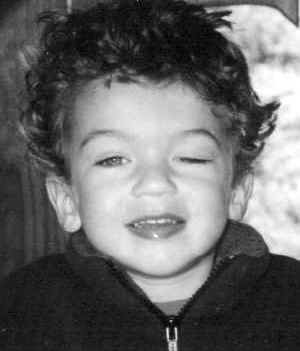
Congenital ptosis results from a developmental dystrophy of the levator muscle itself — fibrosis replaces normal striated muscle fibers, leaving the muscle stiff and underpowered. Unlike aponeurotic ptosis, the levator function is poor from birth.
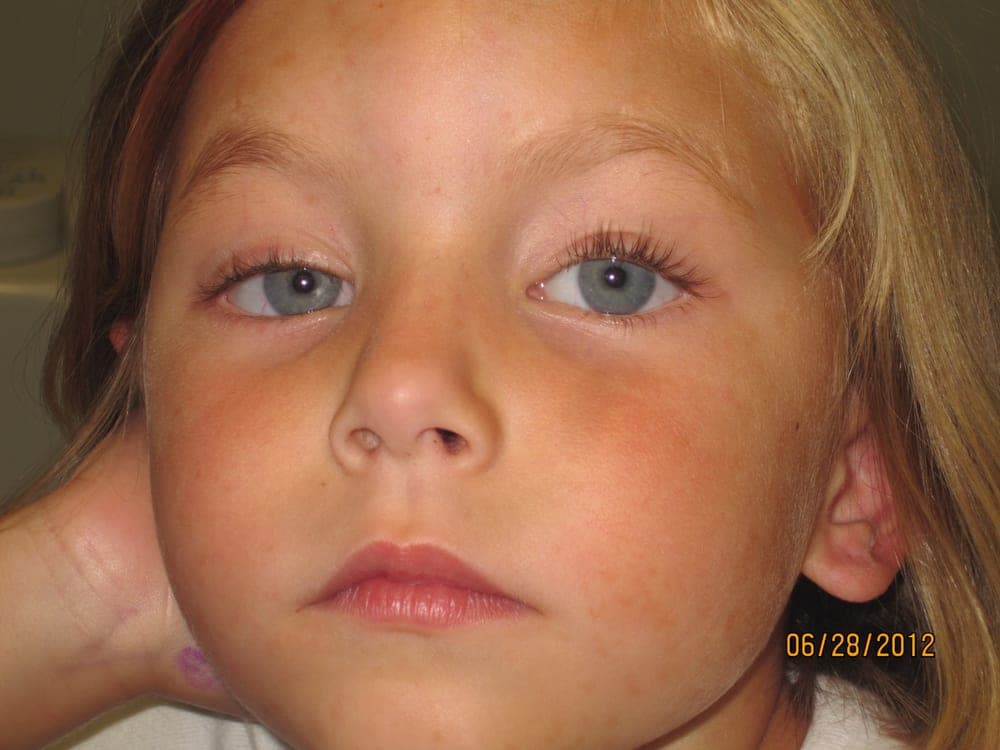
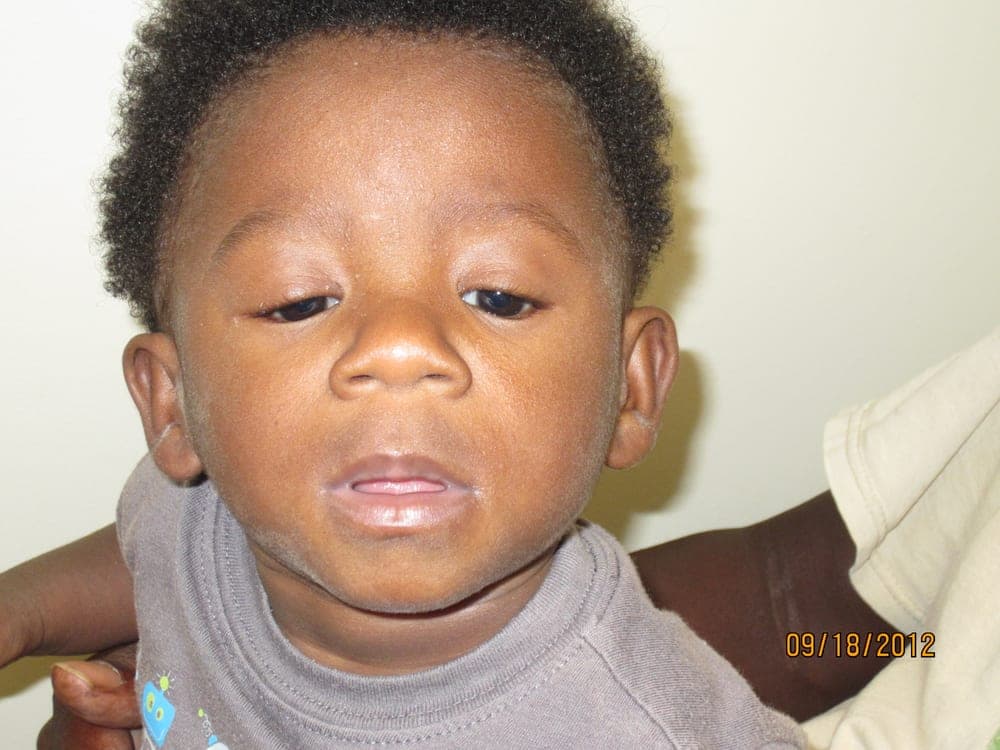
Surgery is deferred until age 3–5 (“pre-school years”) when possible, so intraoperative cooperation is better and the child has had time for amblyopia treatment. However, when the lid occludes the visual axis and threatens vision development, correction must be performed earlier — even in infancy.
Because the levator muscle works poorly from birth, the operation is chosen by how much function remains:
Why timing and technique matter: an eyelid that covers the pupil during the visual-development years (roughly the first decade) can cause permanent amblyopia (lazy eye) or astigmatism that glasses alone cannot fix. Vision is therefore protected first — with patching and, when the pupil is blocked, early surgery — while the most refined cosmetic and lid-contour result is optimized once the child is older and more cooperative. Because congenital lids do not relax normally, some lagophthalmos (incomplete closure) is expected after a sling and is managed with lubrication. Full treatment options →
Congenital ptosis is one of several congenital eyelid and orbital conditions evaluated in infancy and childhood.
Connect with a board-certified oculoplastic surgeon who specializes in congenital ptosis.
Search the Directory →