Misdirected or extra eyelashes that rub against the eye — causing irritation, tearing, and corneal damage — and the procedures that permanently redirect or remove them.
Medically reviewed by EyePlastics Medical Editorial Board·ASOPRS oculoplastic surgeons·Last updated June 2026
Normal Lashes vs. Misdirected Lashes
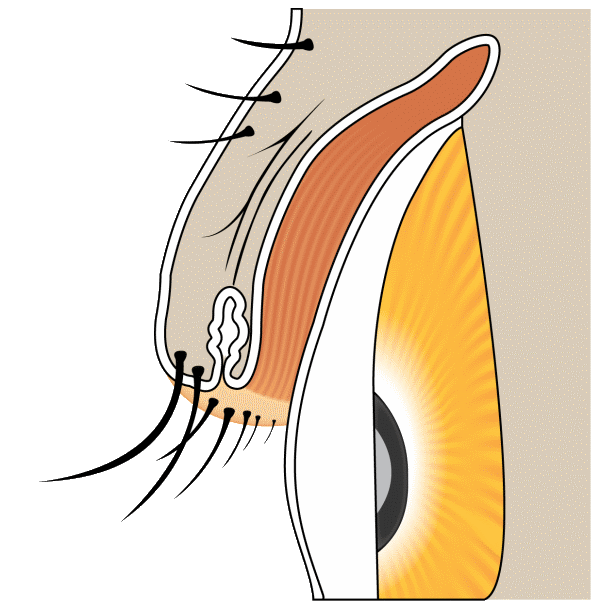
Normal eyelashes curve away from the eye. When lashes grow toward the eye and rub the cornea and conjunctiva, every blink abrades the ocular surface — causing foreign-body sensation, redness, tearing, light sensitivity, and over time real corneal damage: erosions, scarring, thinning, and vascularization.
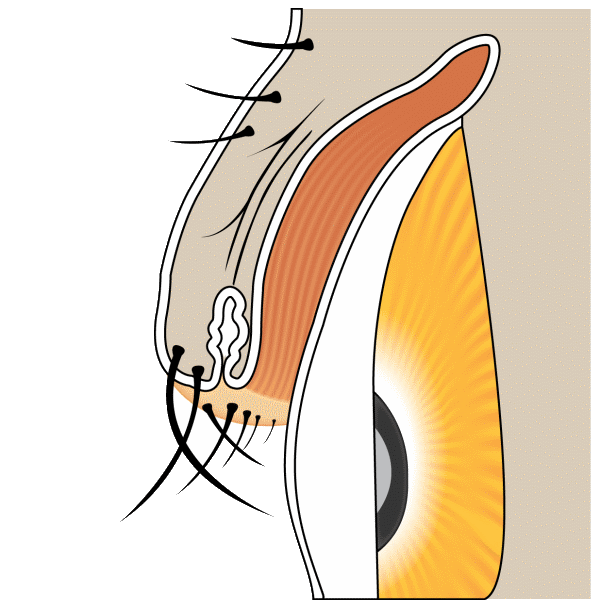
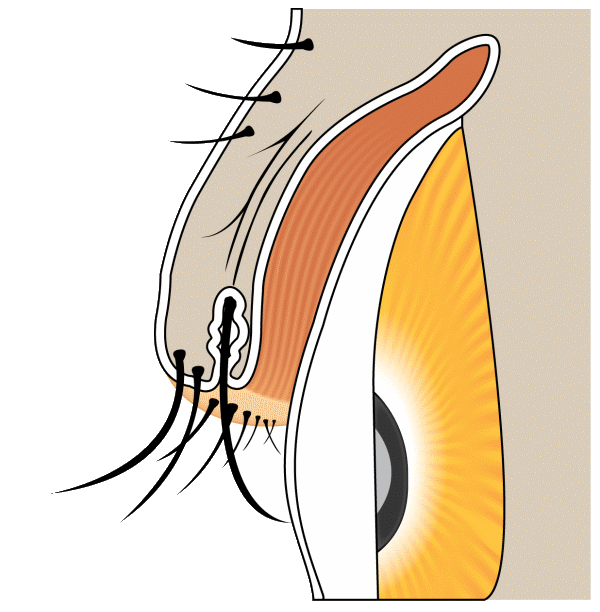
Normal — lashes curve away from the eyeTrichiasis — lashes turn back toward the corneaDistichiasis — an extra row arises from the oil-gland openings
Trichiasis
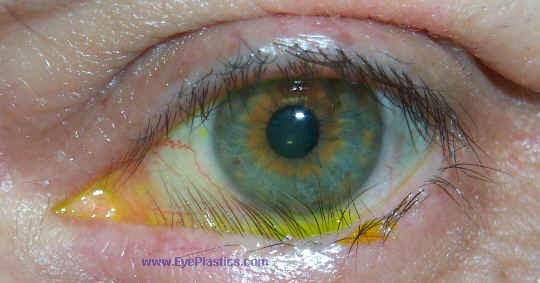
Trichiasis is acquired misdirection of otherwise normal lashes, with the eyelid margin itself in normal position. Common causes include chronic blepharitis and meibomian gland disease, prior eyelid trauma or surgery, ocular cicatricial conditions (e.g. Stevens–Johnson syndrome, ocular cicatricial pemphigoid), and infection (trachoma is the leading cause worldwide). It must be distinguished from entropion, where the whole lid margin rolls inward — that requires eyelid surgery rather than lash-directed treatment.
Trichiasis: misdirected lashes in contact with the ocular surface.
Distichiasis
Distichiasis is a second, extra row of lashes emerging from the meibomian (oil) gland openings behind the normal lash line. It may be congenital (sometimes familial, associated with lymphedema-distichiasis syndrome) or acquired after chronic inflammation. Because these fine extra lashes sit on the back edge of the lid margin, they contact the cornea directly.
Distichiasis: a second row of fine lashes arising behind the normal lash line.
Treatment
Lubrication and contact-lens protection — temporary surface protection while definitive treatment is planned.
Epilation (plucking) — immediate relief, but the follicle survives and the lash regrows within 4–6 weeks; the short regrowing stubble is often more irritating than the mature lash.
Electrolysis / radiofrequency ablation — destroys individual follicles; best for a few isolated lashes; may need repeating.
Cryotherapy — freezes a segment of follicles; effective for clusters, used selectively because it can affect adjacent normal lashes and lid pigment, cause lid-margin notching or depigmentation, and may exacerbate active cicatricial disease.
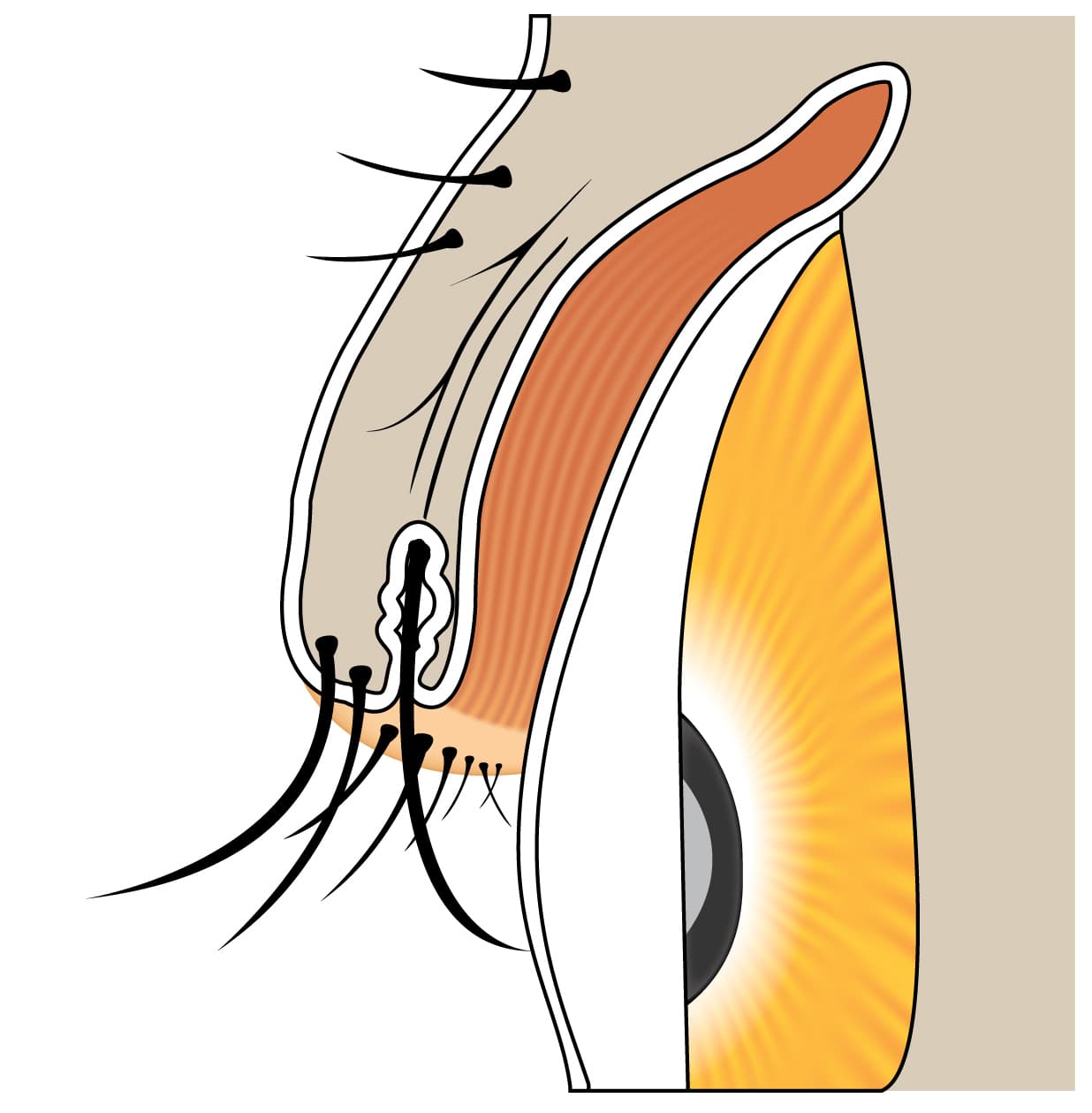
Surgery — full-thickness wedge excision, lid-splitting with direct follicle excision, or mucous-membrane grafting for cicatricial disease; entropion repair when the margin itself is rotated.
The right choice depends on how many lashes are involved, whether the cause is cicatricial, and whether the lid margin position is normal — exactly what an oculoplastic evaluation determines.
Frequently Asked Questions
What is the difference between trichiasis and entropion?
In trichiasis the eyelid margin is in a normal position but individual lashes grow in the wrong direction, toward the eye. In entropion the entire eyelid margin rolls inward, carrying normal lashes against the eye. The distinction matters because entropion requires eyelid surgery, while isolated trichiasis is treated by removing or destroying the misdirected lash follicles.
Why do plucked lashes keep coming back?
Epilation (plucking) removes the lash but not the follicle, so the lash regrows in the same misdirected path — usually within 4–6 weeks, and the regrowing stubble can be more irritating than the mature lash. Permanent treatments (electrolysis, radiofrequency ablation, cryotherapy, or surgical excision of the follicles) destroy the follicle itself.
Can lashes rubbing the eye cause real damage?
Yes. Chronic lash–cornea contact causes punctate erosions, scarring, thinning, and vascularization of the cornea, and increases infection risk. Persistent foreign-body sensation, tearing, and light sensitivity warrant evaluation before the cornea is permanently affected.
Find a Specialist
Connect with a board-certified oculoplastic surgeon who specializes in trichiasis & distichiasis.